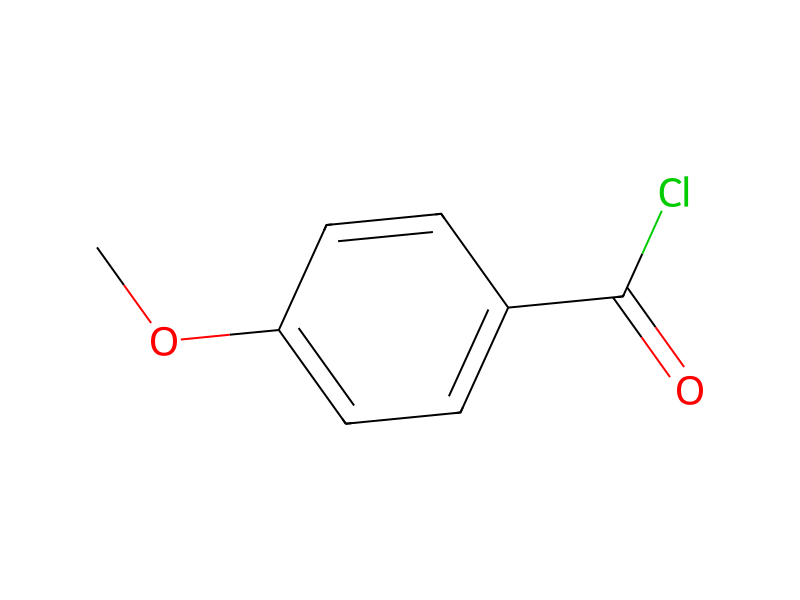
In aflame dried, round bottom flask, 5-bromo-2-nitro-aniline (2) (10.66 g, 49.09 mmol), (scheme 1, Example 1), and 4-methoxybenzoyl chloride (8.37 g, 49.09 mmol) were added. The mixture was heated to 90° C. The melted solids were stirred overnight to give a yellow-brown solid. THF (250 mL) was then added and the solution was treated with SnCl2.2H2O (55.38 g, 245.45 mmol, 5.0 eq) and stirred at room temperature for 2 hrs. Approx. half of the THF was evaporated then 200 mL of EtOAc and 100 mL sat. NaHCO3 were added. The precipitated tin salt was taken out by filtration and a work-up was done on the filtrate with EtOAc. The combined organic layers were washed with water and brine and dried over MgSO4. Most of the EtOAc was evaporated then hexane was added and the precipitate was collected by filtration to give the title compound 114 as a beige powder (13.40 g, 85% yield). 1H NMR (DMSO-d6) δ(ppm): 9.52 (s, 1H), 7.93 (d, J=9.0 Hz, 2H), 7.34 (d, J=2.3 Hz, 1H), 7.08 (dd. J=8.6, 2.3 Hz, 1H), 7.02 (d, J=9.0 Hz, 2H), 6.71 (d, J=8.6 Hz, 1H) 5.10 (s, 2H), 3.82 (s, 3H).