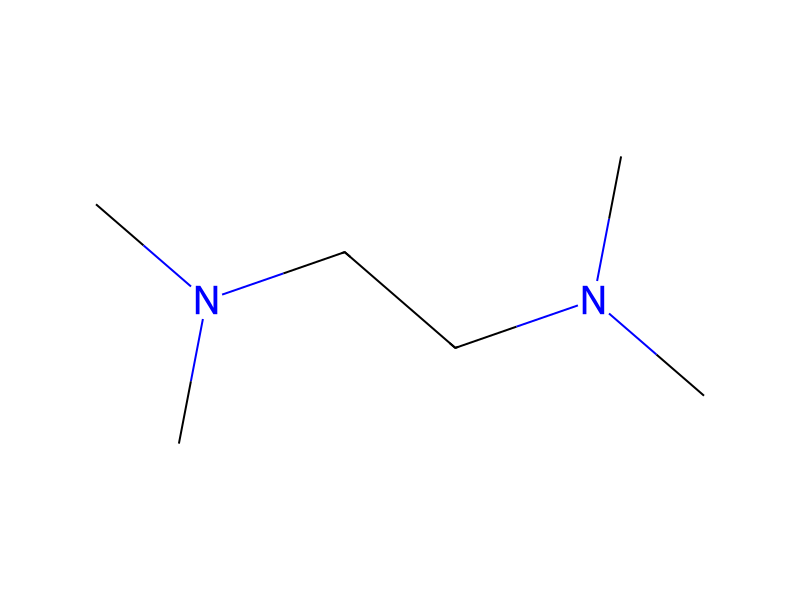
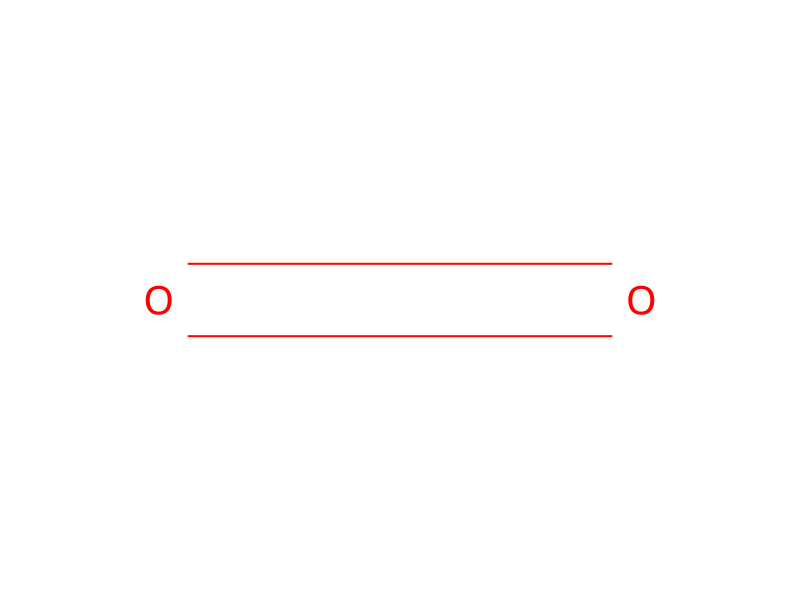
CN(C)[CH2:3][CH2:4]N(C)C.[CH2:9]([OH:21])[CH2:10][CH2:11][CH2:12][C:13]#[C:14][C:15]#[C:16][CH2:17][CH2:18][C:19]#[CH:20].Cl.[CH:23]([OH:30])(O)[C:24]#[C:25][CH2:26][CH2:27][CH3:28]>CO.O=O>[CH2:23]([OH:30])[CH2:24][CH2:25][CH2:26][C:27]#[C:28][C:9]#[C:10][CH2:11][CH2:12][C:3]#[C:4][C:20]#[C:19][CH2:18][CH2:17][C:16]#[C:15][C:14]#[C:13][CH2:12][CH2:11][CH2:10][CH2:9][OH:21]A mixture of 2 parts cuprous chloride, 12 parts methanol, and 4 parts N,N,N',N'-tetramethylethylenediamine was prepared. To this mixture over a period of 15 minutes was added 5,7,11-dodecatriyn-1-ol (produced in Part A above) dissolved in 12 parts methanol, while oxygen was moderately bubbled through the reaction contents. After 1 hour, oxygen flow was stopped and the methanol was distilled leaving a semi-viscous residue. To this was added 100 parts of 3N hydrochloric acid while stirring, causing product to precipitate. It was collected by filtration, washed once with 25 parts 2N hydrochloric acid and several times with water. The solid was dissolved in 200 parts xylene and the solution was refrigerated at -8° C. Subsequent crystallization and filtration yielded 6.0 parts of fluffy product, the above hexayne diol, which turns blue in daylight. The melting point of the material was 101.0° to 104.1° C.