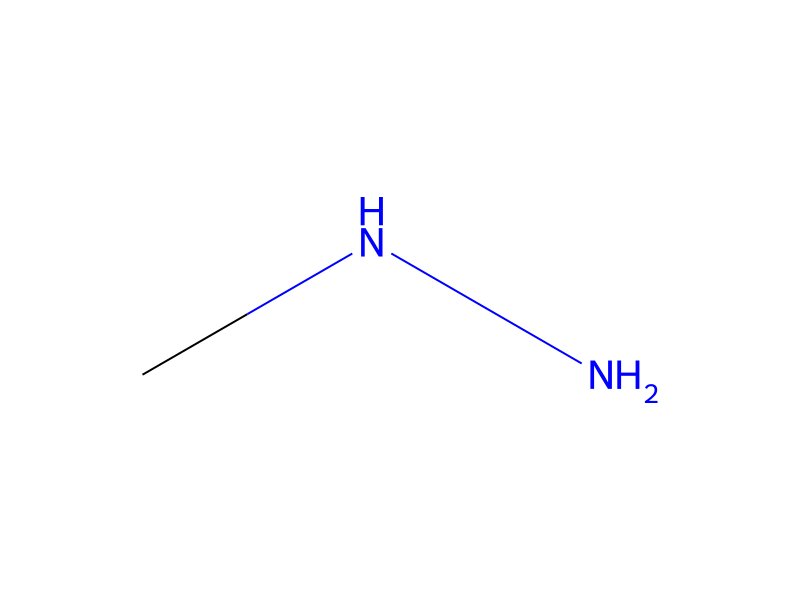
[C:1]([O:5][C:6](=[O:37])[CH2:7][N:8]1[C:14](=[O:15])[CH:13]([N:16]2C(=O)C3=CC=CC=C3C2=O)[CH2:12][S:11][CH:10]([C:27]2[C:36]3[C:31](=[CH:32][CH:33]=[CH:34][CH:35]=3)[CH:30]=[CH:29][CH:28]=2)[CH2:9]1)([CH3:4])([CH3:3])[CH3:2].CNN>C(Cl)Cl.CO>[NH2:16][CH:13]1[CH2:12][S:11][CH:10]([C:27]2[C:36]3[C:31](=[CH:32][CH:33]=[CH:34][CH:35]=3)[CH:30]=[CH:29][CH:28]=2)[CH2:9][N:8]([CH2:7][C:6]([O:5][C:1]([CH3:3])([CH3:2])[CH3:4])=[O:37])[C:14]1=[O:15]To a solution of 2.5 g of t-butyl[2-(1-naphthyl)-5-oxo-6-phthalimidoperhydro-1,4-thiazepin-4-yl]acetate [prepared as described in step (f) above] in a mixture of 20 ml of methylene chloride and 2 ml of methanol was added 0.77 ml of methylhydrazine, and the reaction mixture was allowed to stand for 2 days at room temperature. The reaction mixture was then concentrated by evaporation under reduced pressure, 15 ml of methylene chloride were added to the residue and the mixture was stirred. The resulting precipitate was filtered off and the filtrate was concentrated by evaporation under reduced pressure. The residue was subjected to silica gel column chromatography using a 1:20 by volume mixture of methanol and ethyl acetate as eluent, to give 1.92 g of the title compound as an amorphous solid.