Hydrazine → (2-Fluoro-4-nitrophenyl)hydrazine
HRID 257345
Reaktionsgleichung

[F:1][C:2]1[CH:3]=[C:4]([N+:9]([O-:11])=[O:10])[CH:5]=[CH:6][C:7]=1F.[NH2:12][NH2:13]>C(O)(C)C>[F:1][C:2]1[CH:3]=[C:4]([N+:9]([O-:11])=[O:10])[CH:5]=[CH:6][C:7]=1[NH:12][NH2:13]Komponenten
4
Edukt 2
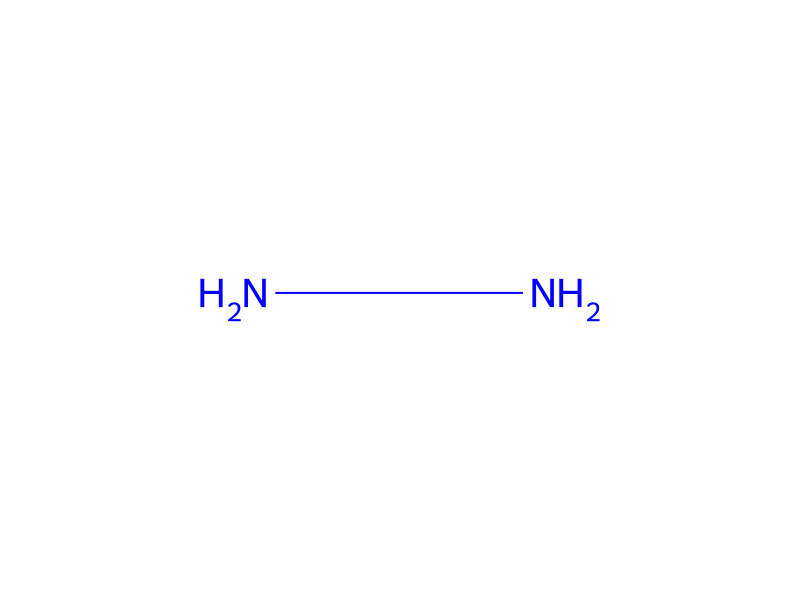

Produkt 1

Reagenzien, Katalysatoren, Lösungsmittel 1

Versuchsvorschrift
To a solution of 20.0 g (0.126 mole) of 3,4-difluoronitrobenzene in 50 mL of isopropyl alcohol was slowly added a solution of 4.04 g (0.126 mole) of hydrazine in 20 mL of isopropyl alcohol, causing the reaction mixture to become orange. Upon completion of addition, the reaction mixture was heated at reflux for 30 minutes. A yellow solid, m.p. 137°-139° C., was filtered from the reaction mixture. The NMR spectrum of this solid was consistent with 2-fluoro-4-nitrophenylhydrazine. This product was used in Step B without being fully dried, assuming a 100% yield.