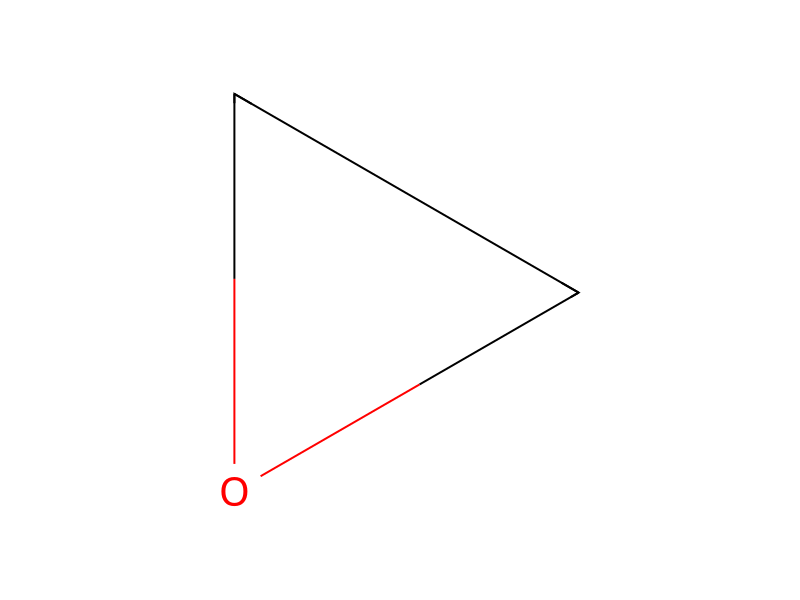
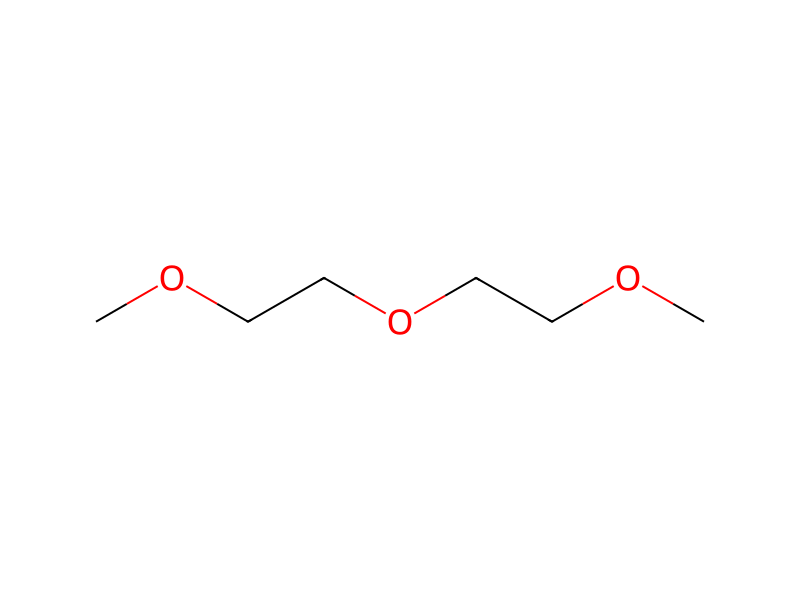
[CH2:1]([SH:19])[CH2:2][CH2:3][CH2:4][CH2:5][CH2:6][CH2:7][CH2:8][CH2:9][CH2:10][CH2:11][CH2:12][CH2:13][CH2:14][CH2:15][CH2:16][CH2:17][CH3:18].[Na].[CH2:21]1O[CH2:22]1>COCCOCCOC>[CH2:1]([S:19][CH2:16][CH2:15][CH2:14][CH2:13][CH2:12][CH2:11][CH2:10][CH2:9][CH2:8][CH2:7][CH2:6][CH2:5][CH2:4][CH2:3][CH2:2][CH2:1][CH2:21][CH3:22])[CH2:2][CH2:3][CH2:4][CH2:5][CH2:6][CH2:7][CH2:8][CH2:9][CH2:10][CH2:11][CH2:12][CH2:13][CH2:14][CH2:15][CH2:16][CH2:17][CH3:18]1-Octadecanethiol, 250 g. (0.87 mole), was dissolved in 250 ml of bis-(2-methoxyethyl) ether. Three grams (0.13 mole) of cut sodium spheres were added and the reaction mixture was transferred to a rocking autoclave and ~462 g. of ethylene oxide was bled into the autoclave over a period of 3 hours at 140°-160° C. The maximum pressure observed was 540 lbs. After all the ethylene oxide had been added, rocking was continued for an additional hour. The mixture was cooled, the bis-(2-methoxyethyl) ether was evaporated under reduced pressure, and the residue crystallized from hexane to give a white solid in 65% yield based on the octadecane thiol.