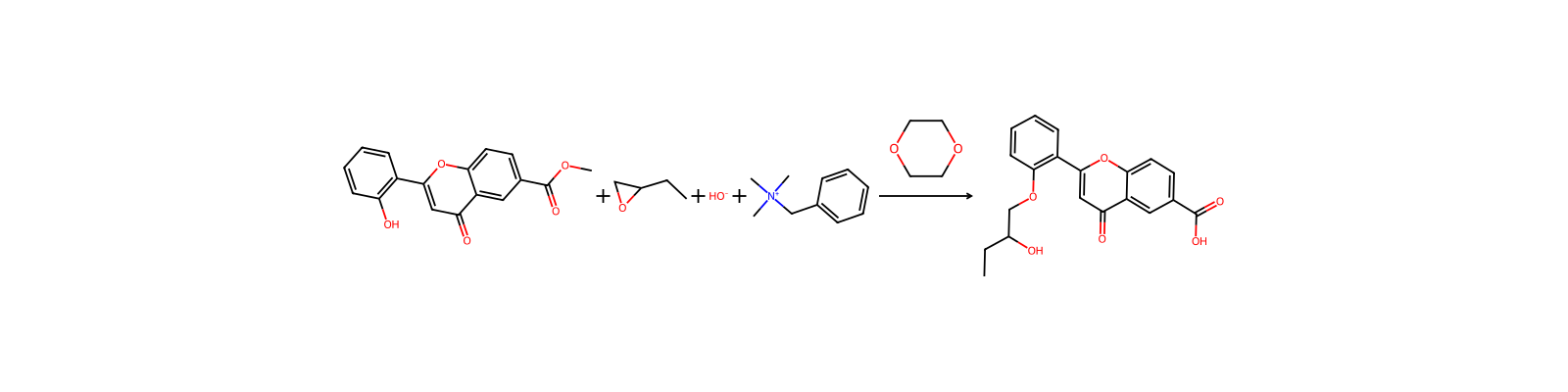
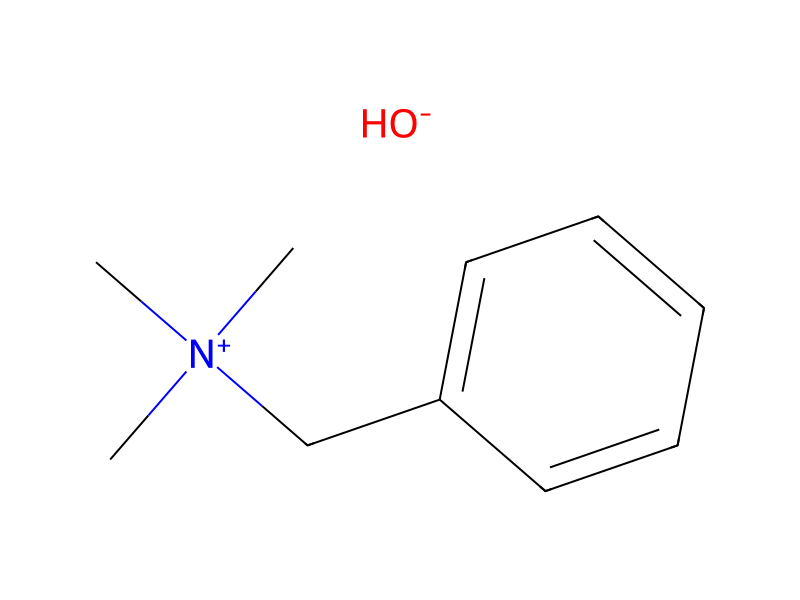
[C:1]([C:5]1[CH:6]=[C:7]2[C:12](=[CH:13][CH:14]=1)[O:11][C:10]([C:15]1[CH:20]=[CH:19][CH:18]=[CH:17][C:16]=1[OH:21])=[CH:9][C:8]2=[O:22])([O:3]C)=[O:2].[O:23]1[CH:25]([CH2:26][CH3:27])[CH2:24]1.[OH-].C([N+](C)(C)C)C1C=CC=CC=1>O1CCOCC1>[C:1]([C:5]1[CH:6]=[C:7]2[C:12](=[CH:13][CH:14]=1)[O:11][C:10]([C:15]1[CH:20]=[CH:19][CH:18]=[CH:17][C:16]=1[O:21][CH2:24][CH:25]([OH:23])[CH2:26][CH3:27])=[CH:9][C:8]2=[O:22])([OH:3])=[O:2]A mixture consisting of 6-carbomethoxy-2'-hydroxy-flavone (10 g), obtained according to the method described in Example 2, and 1,2-epoxy-butane (6 g) and benzyl-trimethylammonium hydroxide (0.5 ml) in dioxane (40 ml) was kept at reflux temperature for 48 hours. After cooling, dilution with water, and extraction with ethylacetate, the organic phase was washed with potassium carbonate 5% and water. The solution was evaporated to dryness, and the resulting product was treated with the stoichiometric quantity of a solution of potassium hydroxide 1% in ethanol 95% at reflux temperature for an hour. After acidification with acetic acid, concentration under vacuum, dilution with water, filtration and double crystallisation from ethanol, 6-carboxy2'-(2-hydroxy-butoxy)-flavone (4.7 g) was obtained.
Wird geladen…