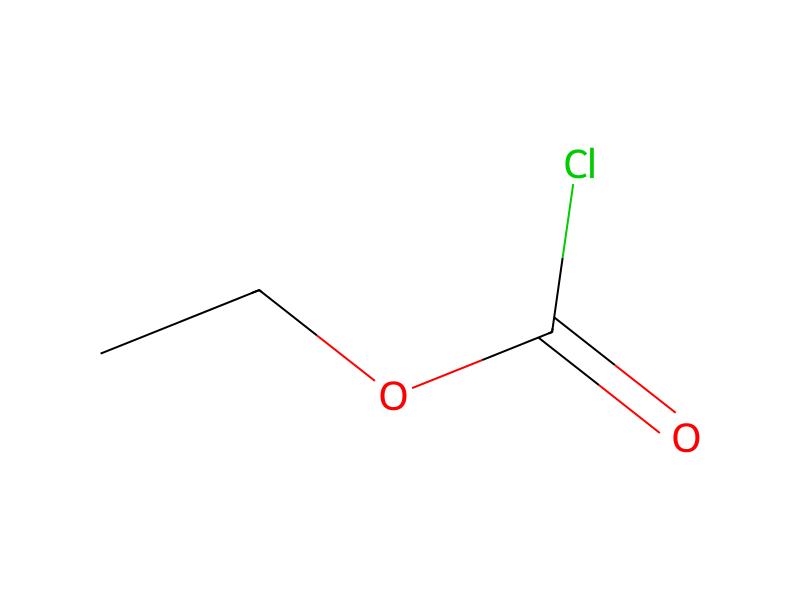
[OH:1][N:2]([CH2:6][C:7]1[CH:30]=[CH:29][C:10]([O:11][CH2:12]/[CH:13]=[CH:14]\[CH2:15][O:16][C:17]2[CH:22]=[CH:21][C:20]([CH2:23][N:24]([OH:28])[C:25]([NH2:27])=[O:26])=[CH:19][CH:18]=2)=[CH:9][CH:8]=1)[C:3]([NH2:5])=[O:4].[OH-].[Na+].Cl[C:34](OCC)=[O:35].Cl.[O:40]1CCC[CH2:41]1>>[O:26]=[C:25]1[NH:27][C:34](=[O:35])[O:28][N:24]1[CH2:23][C:20]1[CH:21]=[CH:22][C:17]([O:16][CH2:15]/[CH:14]=[CH:13]\[CH2:12][O:11][C:10]2[CH:29]=[CH:30][C:7]([CH2:6][N:2]3[C:3](=[O:4])[NH:5][C:41](=[O:40])[O:1]3)=[CH:8][CH:9]=2)=[CH:18][CH:19]=1To the solution of (Z)-1,4-Bis[4-[(1-hydroxyureido)methyl]phenoxy]-2-butene (0.75 g) in tetrahydrofuran (20 ml) was added 2N sodium hydroxide aqueous solution (6.9 ml) and then, with ice-cooling, ethyl chloroformate (0.66 ml) was added dropwise to the mixture. After 49 hours of stirring at room temperature, the reaction mixture was adjusted to pH 1 with 6N hydrochloric acid and extracted with ethyl acetate. The organic layer was washed with saturated sodium chloride aqueous solution and dried over anhydrous magnesium sulfate and then the solvent was evaporated under a reduced pressure. The resulting residue was subjected to silica gel column chromatography with chloroform-methanol (10:1) elution, and the obtained crude product was recrystallized from methanol to obtain (Z)-1,4-bis[4-[(3,5-dioxo-1,2,4-oxadiazolidin-2-yl)methyl]phenoxy]-2-butene (0.31 g).