Reaktionsgleichung

ClC1C(Cl)=C(Cl)C=CC=1.[Cl:10][C:11]1[CH:12]=[CH:13][C:14]([NH2:22])=[C:15]2[C:20]=1[N:19]=[C:18]([CH3:21])[CH:17]=[CH:16]2.[C:23]1(=O)[O:28][C:26](=[O:27])[C:25]2=[CH:29][CH:30]=[CH:31][CH:32]=[C:24]12>>[Cl:10][C:11]1[CH:12]=[CH:13][C:14]([N:22]2[C:26](=[O:27])[C:25]3=[CH:29][CH:30]=[CH:31][CH:32]=[C:24]3[C:23]2=[O:28])=[C:15]2[C:20]=1[N:19]=[C:18]([CH3:21])[CH:17]=[CH:16]2Komponenten
4
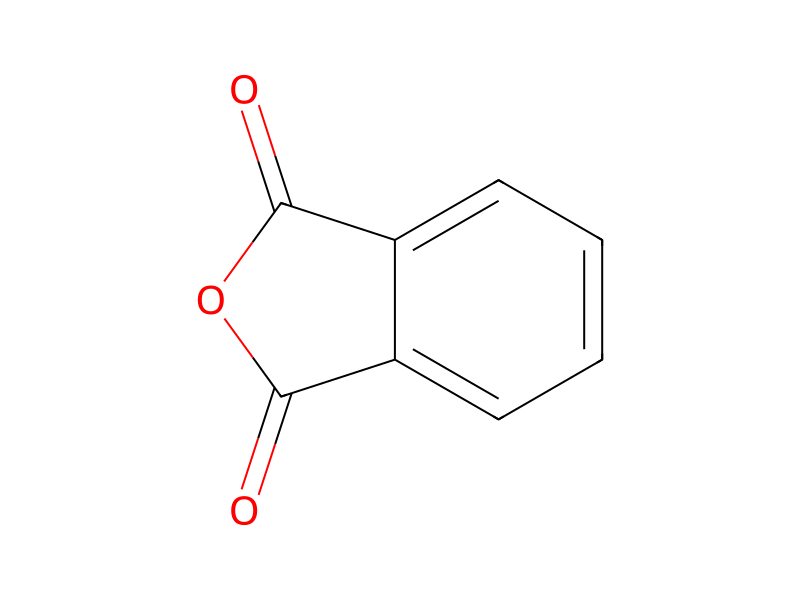


Versuchsvorschrift
95 g of trichlorobenzene was added to 23.3 g (0.12 mole) of 8-chloro-5-amino-quinaldine and 18.0 g (0.12 mole) of phthalic anhydride, and the mixture was reacted under reflux for 2 hours at the boiling point. After cooling, the precipitated crystals were separated by filtration, and dried to afford 32 g (0.10 mole) of 8-chloro-5-phthalimidoquinaldine.
Aufarbeitung
- customthe mixture was reacted
- temperatureunder reflux for 2 hours at the boiling point
- temperatureAfter cooling
- customthe precipitated crystals were separated by filtration
- customdried
Quellen und Nachweise
- ORD-Eintrag
- ord-6b48f7d1232f46a9947bdd586f8143d2
- Quelldatensatz
- uspto-grants-1979_04
- Patentnummer
- US04150025
Verknüpfte Notizen
Wird geladen…