Reaktionsgleichung

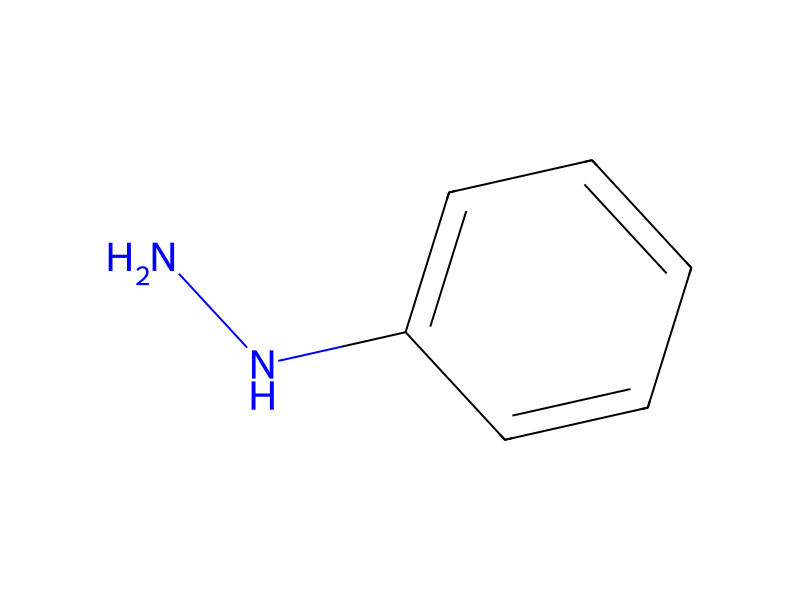
[C:1]1([NH:7][NH2:8])[CH:6]=[CH:5][CH:4]=[CH:3][CH:2]=1.[C:9]1([N:15]([C:24]2[CH:29]=[CH:28][CH:27]=[CH:26][CH:25]=2)[C:16]2[CH:23]=[CH:22][C:19]([CH:20]=O)=[CH:18][CH:17]=2)[CH:14]=[CH:13][CH:12]=[CH:11][CH:10]=1.[CH:30]([OH:33])([CH3:32])[CH3:31]>>[O:33]1[CH2:32][CH:30]1[CH2:31][N:7]([C:1]1[CH:6]=[CH:5][CH:4]=[CH:3][CH:2]=1)[N:8]=[CH:20][C:19]1[CH:18]=[CH:17][C:16]([N:15]([C:24]2[CH:29]=[CH:28][CH:27]=[CH:26][CH:25]=2)[C:9]2[CH:14]=[CH:13][CH:12]=[CH:11][CH:10]=2)=[CH:23][CH:22]=1Komponenten
4



Versuchsvorschrift
A mixture of phenylhydrazine (0.1 mole, from Aldrich, Milwaukee, Wis.) and 4-(diphenylamino)benzaldehyde (0.1 mole, from Fluka, Buchs SG, Switzerland) was dissolved in 100 ml of isopropanol in a 250 ml 3-neck round bottom flask equipped with a reflux condenser and a mechanical stirrer. The solution was refluxed for 2 hours. At the end of the reaction, as indicated by the disappearance of the starting materials using thin layer chromatography, the mixture was cooled to room temperature. The 4-(diphenylamino)benzaldehyde phenylhydrazone crystals that formed upon standing were filtered off, washed with isopropanol, and dried in a vacuum oven at 50° C. for 6 hours.
Aufarbeitung
- customequipped with a reflux condenser and a mechanical stirrer
- temperatureThe solution was refluxed for 2 hours
- customAt the end of the reaction
Quellen und Nachweise
- ORD-Eintrag
- ord-42a729261ee141aca4b0f39d231df4f1
- Quelldatensatz
- uspto-grants-2008_11
- Patentnummer
- US07445877B2
Verknüpfte Notizen
Wird geladen…