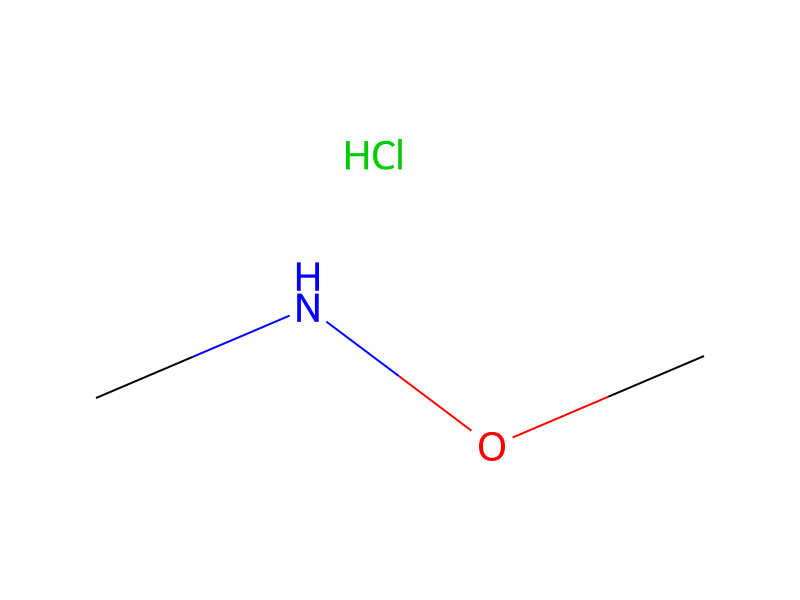
2-Amino-4-chlorobenzoic acid (3 g) and N,O-dimethylhydroxylamine hydrochloride (1.9 g) were dissolved in a mixture of methylene chloride (40 ml) and N,N-dimethylformamide (4 ml). To the solution were added, while stirring at room temperature, 1-ethyl-3-(3-dimethylaminopropyl)-carbodiimide-hydrochloride (3.6 g) and triethylamine (1.4 g). The mixture was stirred for 90 minutes, which was then concentrated under reduced pressure. To the concentrate were added ethyl acetate (100 ml) and-water (100 ml). The mixture was shaken, The organic layer was washed with water and dried over anhydrous sodium sulfate. The solvent was then distilled off, and the residue was purified by means of a silica gel chromatography to give N-methyl-N-methyloxy-2-amino-4-chlorobenzamide as a yellow oily product (3.0 g).