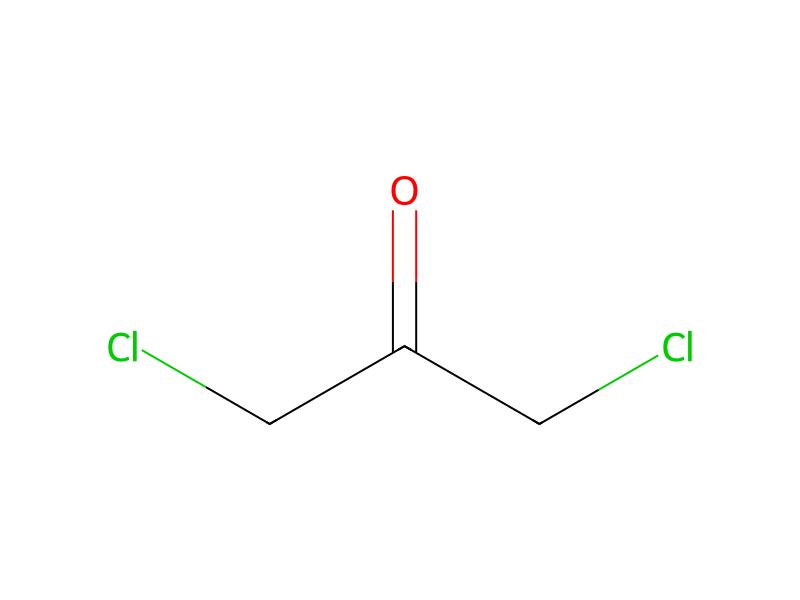
1,3-Dichloroacetone → 4-Chloromethyl-2-(1-propenyl)oxazole
HRID 322274
Reaktionsgleichung

[C:1]([NH2:6])(=[O:5])/[CH:2]=[CH:3]/[CH3:4].[Cl:7][CH2:8][C:9]([CH2:11]Cl)=O>>[Cl:7][CH2:8][C:9]1[N:6]=[C:1]([CH:2]=[CH:3][CH3:4])[O:5][CH:11]=1Komponenten
3


Versuchsvorschrift
In substantially the same manner as in Reference Example 47, crotonamide was allowed to react with 1,3-dichloroacetone to give 4-chloromethyl-2-(1-propenyl)oxazole. The yield is 10%. Oily substance.
Quellen und Nachweise
- ORD-Eintrag
- ord-c5e92be0e99b4eaebca75dcb70548e75
- Quelldatensatz
- uspto-grants-2001_04
- Patentnummer
- US06211215B1