1,2-Hydrazinedicarboxaldehyde → methyl 2-methoxy-5-(4H-triazol-1-yl)benzoate
Reaktionsgleichung

[CH3:1][O:2][C:3]1[CH:12]=[CH:11][C:10]([NH2:13])=[CH:9][C:4]=1[C:5]([O:7][CH3:8])=[O:6].[CH:14]([NH:16][NH:17]C=O)=O.O=P12OP3(OP(OP(O3)(O1)=O)(=O)O2)=O.[C:34](=O)(O)[O-].[Na+]>CO.ClCCl.C(OCC)(=O)C.ClCCl>[CH3:1][O:2][C:3]1[CH:12]=[CH:11][C:10]([N:13]2[CH2:34][CH2:14][N:16]=[N:17]2)=[CH:9][C:4]=1[C:5]([O:7][CH3:8])=[O:6]Komponenten
7
Edukt 4



Produkt 1

Reagenzien, Katalysatoren, Lösungsmittel 2

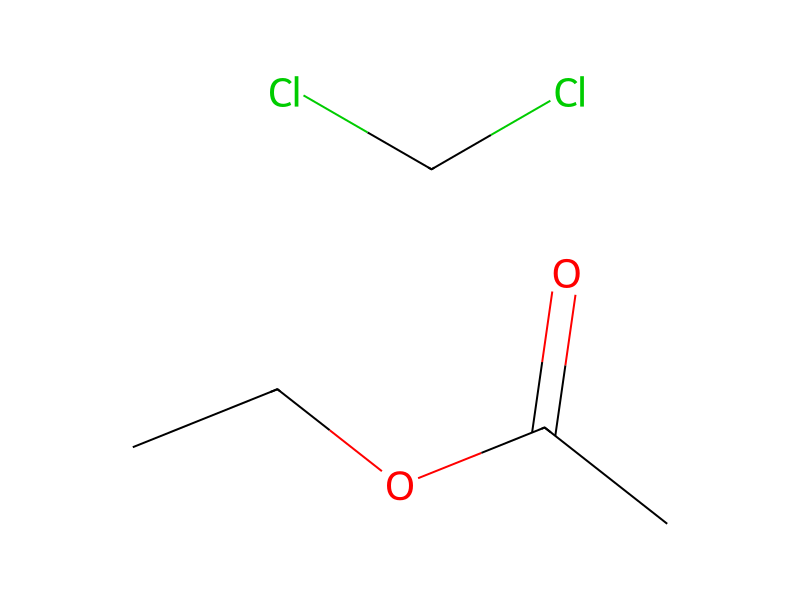
Reaktionsbedingungen
- Temperatur
- 160 °C
Versuchsvorschrift
Alternately, according to the method of J. Med. Chem., 21, 1100 (1978), combine methyl 2-methoxy-5-aminobenzoate (1.8 g, 10 mmol), diformyl hydrazine (0.97 g, 11 mmol), and phosphorous pentoxide (1.84 g, 13 mmol). Heat to 160° C. After 1.5 hours, cool the reaction mixture and add a saturated aqueous solution of sodium bicarbonate. Extract three times with dichloromethane. Dry the combined organic layers over MgSO4, filter, and evaporate in vacuo to give a residue. Chromatograph the residue on silica gel eluting sequentially with 40% ethyl acetate/dichloromethane and then 5% methanol/dichloromethane to give methyl 2-methoxy-5-(4H-triazol-1-yl)benzoate: mp; 179-182° C.
Aufarbeitung
- temperaturecool the reaction mixture
- extractionExtract three times with dichloromethane
- dry with materialDry the combined organic layers over MgSO4
- filtrationfilter
- customevaporate in vacuo
- customto give a residue
Quellen und Nachweise
- ORD-Eintrag
- ord-51d4e5ada01148b294c4f63a0dbc22fa
- Quelldatensatz
- uspto-grants-2001_04
- Patentnummer
- US06211199B1
Notizen zur Reaktion
Wird geladen…