Benzene → [4-Azidomethyl-2-phenylbenzoyl]methionine methyl ester
Reaktionsgleichung

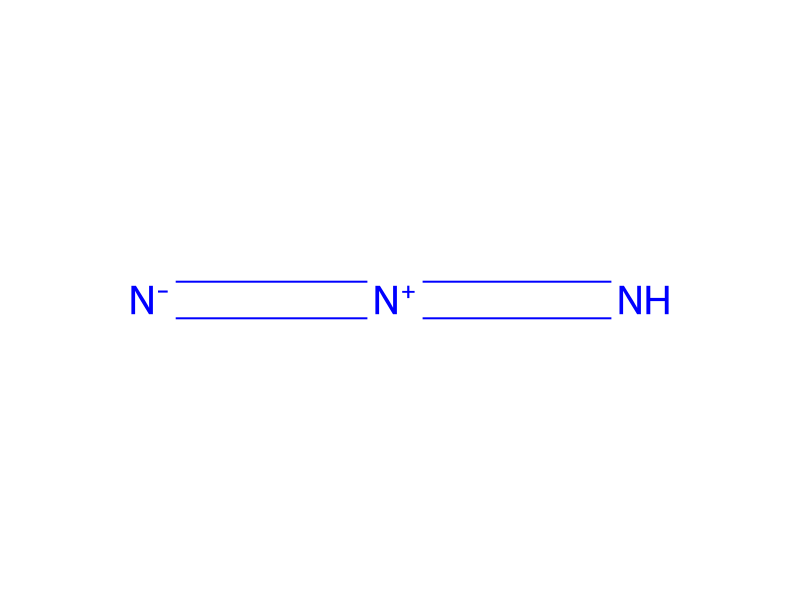
C1(P(C2C=CC=CC=2)C2C=CC=CC=2)C=CC=CC=1.N(C(OCC)=O)=NC(OCC)=O.[NH:32]=[N+:33]=[N-:34].C1C=CC=CC=1.[CH3:41][O:42][C:43](=[O:66])[C@H:44]([CH2:62][CH2:63][S:64][CH3:65])[NH:45][C:46](=[O:61])[C:47]1[CH:52]=[CH:51][C:50]([CH2:53]O)=[CH:49][C:48]=1[C:55]1[CH:60]=[CH:59][CH:58]=[CH:57][CH:56]=1>O1CCCC1>[CH3:41][O:42][C:43](=[O:66])[C@H:44]([CH2:62][CH2:63][S:64][CH3:65])[NH:45][C:46](=[O:61])[C:47]1[CH:52]=[CH:51][C:50]([CH2:53][N:32]=[N+:33]=[N-:34])=[CH:49][C:48]=1[C:55]1[CH:60]=[CH:59][CH:58]=[CH:57][CH:56]=1