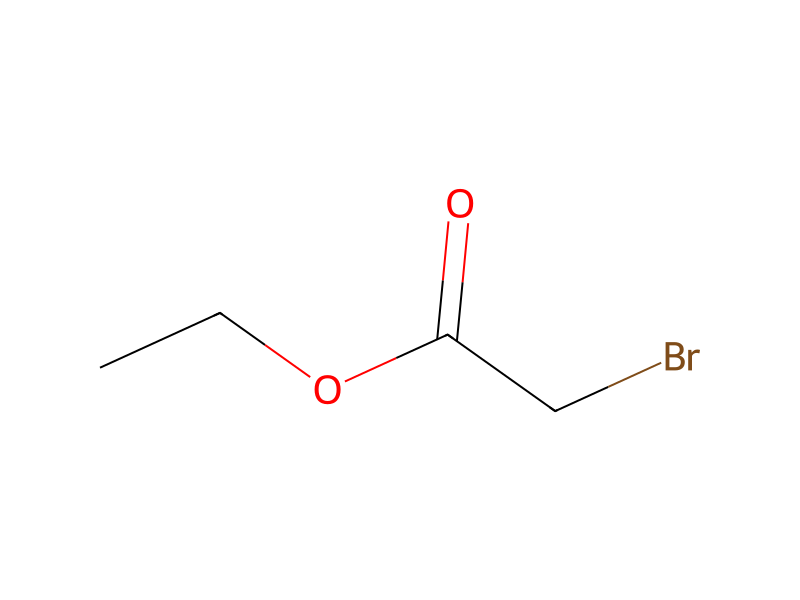
[OH:1][C:2]1[CH:16]=[C:15]([OH:17])[CH:14]=[C:13]2[C:3]=1[C:4](=[O:18])[CH2:5][C:6]1([NH:12]2)[CH2:11][CH2:10][CH2:9][CH2:8][CH2:7]1.Br[CH2:20][C:21]([O:23][CH2:24][CH3:25])=[O:22].C(=O)([O-])[O-].[K+].[K+]>C(#N)C>[OH:1][C:2]1[CH:16]=[C:15]([O:17][CH2:20][C:21]([O:23][CH2:24][CH3:25])=[O:22])[CH:14]=[C:13]2[C:3]=1[C:4](=[O:18])[CH2:5][C:6]1([NH:12]2)[CH2:11][CH2:10][CH2:9][CH2:8][CH2:7]1A mixture of 5,7-dihydroxyspiro[1,2,3,4-tetrahydroquinoline-2,1'-cyclohexan]-4-one (prepared in Preparation 81) (0.247 g, 1.0 mmol), ethyl bromoacetate (0.184 g, 1.10 mmol), anhydrous potassium carbonate (0.207 g, 1.5 mmol), and dry acetonitrile (4 ml) is stirred at room temperature for 4 hours. The solvent is removed under reduced pressure and the residue is extracted with ethyl acetate and water. The ethyl acetate layer is separated, washed with water, dried, and the solvent is removed. The residue is placed on a silica gel column and eluted with a mixture of acetone and dichloromethane (1:10) to obtain a crude product. Recrystallization from a mixture of diethyl ether and hexane gives ethyl 2-{(5-hydroxy-4-oxospiro [1,2,3,4-tetrahydroquinoline-2,1'-cyclohexan]-7-yl)oxy}acetate (0.265 g, 79%, m.p.=134°-135° C.).