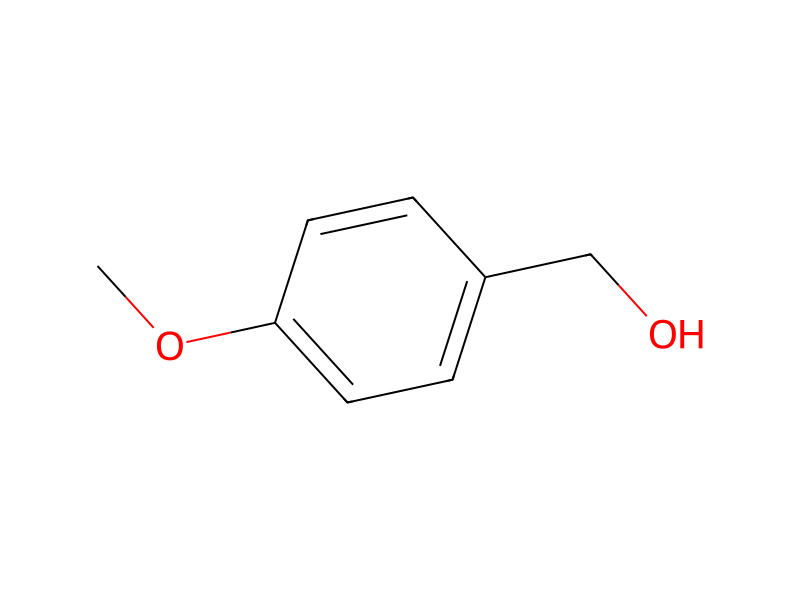
[NH2:1][C:2]1[CH:7]=[C:6]([C:8]2[CH:13]=[CH:12][C:11]([Cl:14])=[C:10]([O:15][CH3:16])[C:9]=2[F:17])[N:5]=[C:4]([C:18]([OH:20])=[O:19])[C:3]=1[Cl:21].C1(P(C2C=CC=CC=2)C2C=CC=CC=2)C=CC=CC=1.N(C(OCC)=O)=NC(OCC)=O.[CH3:53][O:54][C:55]1[CH:62]=[CH:61][C:58]([CH2:59]O)=[CH:57][CH:56]=1>C1COCC1>[NH2:1][C:2]1[CH:7]=[C:6]([C:8]2[CH:13]=[CH:12][C:11]([Cl:14])=[C:10]([O:15][CH3:16])[C:9]=2[F:17])[N:5]=[C:4]([C:18]([O:20][CH2:59][C:58]2[CH:61]=[CH:62][C:55]([O:54][CH3:53])=[CH:56][CH:57]=2)=[O:19])[C:3]=1[Cl:21]To a solution of 4-amino-3-chloro-6-(4-chloro-2-fluoro-3-methoxyphenyl)picolinic acid (600 mg, 1.81 mmol) in THF (10 mL) was added triphenylphosphine (475 mg, 1.81 mmol), diethyl azodicarboxylate (0.29 mL, 1.81 mmol), and 4-methoxybenzyl alcohol (0.34 mL, 2.72 mmol). The reaction mixture was stirred for 48 h. Additional triphenylphosphine (475 mg, 1.81 mmol) was added to the reaction, and the reaction mixture was stirred for 24 h. The reaction mixture was concentrated to dryness and was purified by silica gel chromatography (eluting with a 0-100% EtOAc/hexane gradient) to provide an off-white solid (170 mg, 26%): mp 73-83° C.; 1H NMR (400 MHz, CDCl3) δ 7.66 (dd, J=8.6, 7.8 Hz, 1H), 7.45-7.38 (m, 2H), 7.22 (dd, J=8.7, 1.8 Hz, 1H), 7.16 (d, J=1.7 Hz, 1H), 6.94-6.87 (m, 2H), 5.38 (s, 2H), 4.80 (s, 2H), 3.96 (d, J=0.8 Hz, 3H), 3.81 (s, 3H); ESIMS m/z 451 ([M+H]+), 449 ([M−H]−).