StartseiteMCPWorkbenchSkills
StartseiteWorkbenchBenachrichtigungenMein Bereich
llms.txt · MCP-AnleitungDatenschutz · Nutzungsbedingungen · Supportv1.8.3
  1. Startseite
  2. /Reaktion

Potassium Carbonate → 4-Benzyl-1-[(9,10-Dihydro-9,10-ethanoanthracenyl)methyl]piperidine

HRID 345020
Drucken

Reaktionsgleichung

Reaktionsgleichung von HRID 345020
Br[CH2:2][CH:3]1[CH:12]2[C:13]3[CH:14]=[CH:15][CH:16]=[CH:17][C:18]=3[CH:5]([C:6]3[C:11]2=[CH:10][CH:9]=[CH:8][CH:7]=3)[CH2:4]1.[CH2:19]([CH:26]1[CH2:31][CH2:30][NH:29][CH2:28][CH2:27]1)[C:20]1[CH:25]=[CH:24][CH:23]=[CH:22][CH:21]=1.C(=O)([O-])[O-].[K+].[K+]>CN(C)P(N(C)C)(N(C)C)=O>[CH2:19]([CH:26]1[CH2:31][CH2:30][N:29]([CH2:2][C:3]2[C:4]3[CH:5]4[CH2:6][CH2:7][CH:8]([C:13]5[C:18]4=[CH:17][CH:16]=[CH:15][CH:14]=5)[C:9]=3[CH:10]=[CH:11][CH:12]=2)[CH2:28][CH2:27]1)[C:20]1[CH:25]=[CH:24][CH:23]=[CH:22][CH:21]=1
KomponentenReaktionsbedingungenVersuchsvorschriftAufarbeitungQuellen und NachweiseNotizen zur Reaktion

Komponenten

5

Edukt 3

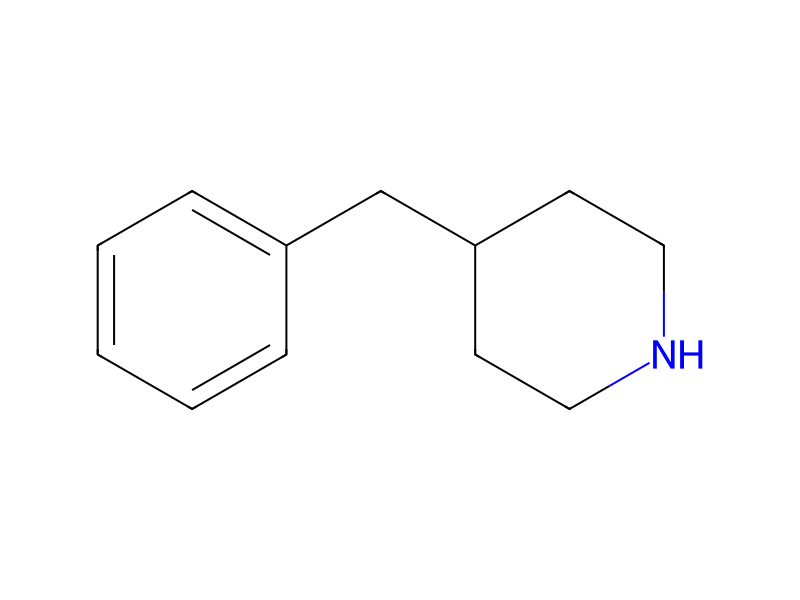
HCID 11430Potassium CarbonateHCID 317384-BenzylpiperidineHCID 352223811-Bromomethyl-9,10-dihydro-9,10-ethanoanthracene

Produkt 1

HCID 197752554-Benzyl-1-[(9,10-Dihydro-9,10-ethanoanthracenyl)methyl]piperidine

Reagenzien, Katalysatoren, Lösungsmittel 1

HCID 12679HexamethylphosphoramideLösungsmittel

Reaktionsbedingungen

Temperatur
90 °C

Versuchsvorschrift

11-Bromomethyl-9,10-dihydro-9,10-ethanoanthracene (1.2 gm), 4-benzylpiperidine (7.0 gm) and potassium carbonate (0.40 gm) were combined in hexamethylphosphoramide (8 ml) in a sealed tube and heated to 90° C. for 48 hours. The mixture was extracted between water (50 ml) and ether (50 ml). The aqueous layer was extracted with ether (2×50 ml) and the combined ether solutions were washed with water (2×50 ml), then extracted with 3.6 N sulfuric acid (3×50 ml). The combined acid solutions were made basic with the addition of concentrated aqueous ammonia and the resulting mixture was extracted with ether (3×50 ml). The combined ether solutions were dried over magnesium sulfate and the ether and excess 4-benzylpiperidine were removed on a rotary evaporator. The residue was dissolved in methylene chloride (15 ml) and purified by preparative centrifugally accelerated radial thin layer chromatography on silica gel using 90:9:1 methylene chloride/ethanol/triethylamine as the eluant. The crude product was dissolved in isopropyl alcohol (10 ml) and treated with 6 N hydrochloric acid in isopropyl alcohol (0.5 ml). The solution was added dropwise to ether (150 ml) and the resulting solid was filtered. The solid was recrystallized from isopropyl alcohol to provide the product as a white solid. Analytical data are reported in Table I.


Aufarbeitung

  1. extractionThe mixture was extracted between water (50 ml) and ether (50 ml)
  2. extractionThe aqueous layer was extracted with ether (2×50 ml)
  3. washthe combined ether solutions were washed with water (2×50 ml)
  4. extractionextracted with 3.6 N sulfuric acid (3×50 ml)
  5. additionThe combined acid solutions were made basic with the addition of concentrated aqueous ammonia
  6. extractionthe resulting mixture was extracted with ether (3×50 ml)
  7. dry with materialThe combined ether solutions were dried over magnesium sulfate
  8. customthe ether and excess 4-benzylpiperidine were removed on a rotary evaporator
  9. dissolutionThe residue was dissolved in methylene chloride (15 ml)
  10. custompurified by preparative centrifugally accelerated radial thin layer chromatography on silica gel using 90:9:1 methylene chloride/ethanol/triethylamine as the eluant
  11. dissolutionThe crude product was dissolved in isopropyl alcohol (10 ml)
  12. additiontreated with 6 N hydrochloric acid in isopropyl alcohol (0.5 ml)
  13. additionThe solution was added dropwise to ether (150 ml)
  14. filtrationthe resulting solid was filtered
  15. customThe solid was recrystallized from isopropyl alcohol

Quellen und Nachweise

ORD-Eintrag
ord-de8d2a22077845d98dbe105ced617aff
Quelldatensatz
uspto-grants-1991_10
DOI
10.6084/m9.figshare.5104873.v1
Patentnummer
US05055468

Notizen zur Reaktion

Auf dieser SeiteKomponentenReaktionsbedingungenVersuchsvorschriftAufarbeitungQuellen und NachweiseNotizen zur Reaktion