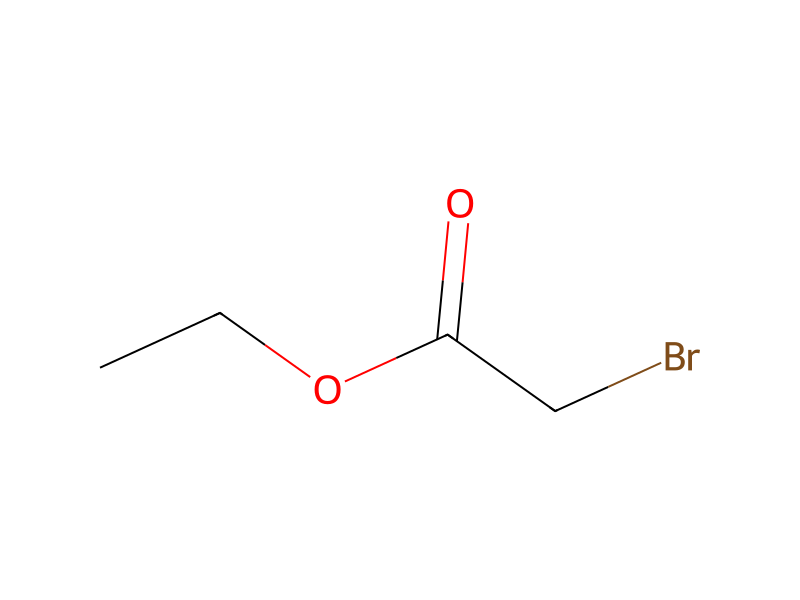
With 40 ml of dimethylformamide is mixed 3 g of cis-3-amino-2-phenyl-2,3-dihydro-1,5-benzothiazepin-4(5H)- one hydrobromide in the same manner as in (iv) of Example 1, and 0.72 g of 60% sodium hydride is added to the mixture under ice-cooling. After the temperature is gradually elevated to room temperature, the mixture is stirred for 2 hours. After the temperature of the reaction mixture is again cooled to about 10° C., 5 ml of a dimethylformamide solution containing 1.1 ml of ethyl bromoacetate is added dropwise thereto. Then, the reaction temperature is elevated to room temperature, and the reaction mixture is stirred for 6 hours, followed by concentration under reduced pressure. By adding ice water and chloroform to the residue, the organic substance is extracted. The chloroform layer is washed with water and dried. Thereafter, the solvent is distilled off under reduced pressure. The purification of the obtained residue by silica gel chromatography gives 3.0 g of ethyl cis-3-amino-4-oxo-2-phenyl-2,3,4,5-tetrahydro-1,5-benzothiazepine-5-acetate as oily substance.