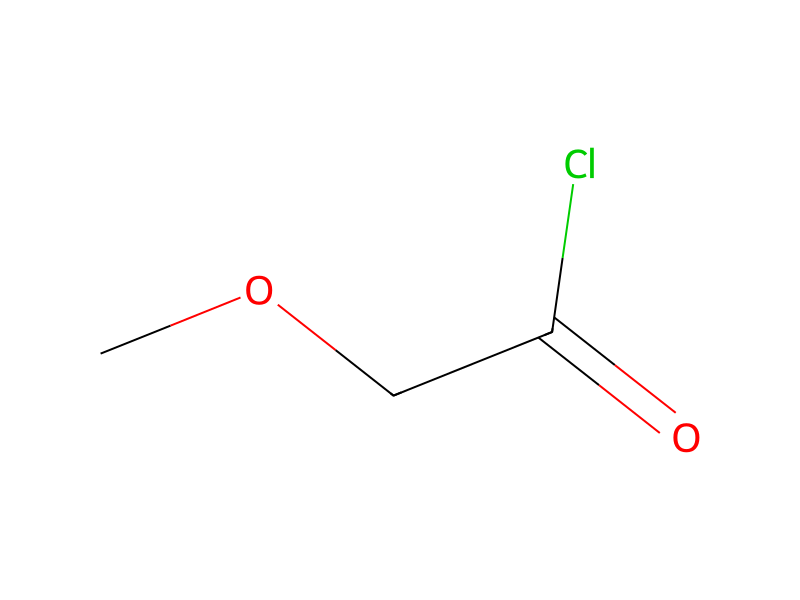
[F:1][C:2]1[CH:3]=[C:4]([CH:19]=[CH:20][CH:21]=1)[CH2:5][O:6][C:7]1[CH:8]=[CH:9][C:10]2[CH:16]=[CH:15][NH:14][C:13](=[O:17])[CH2:12][C:11]=2[CH:18]=1.C(N(CC)CC)C.[CH3:29][O:30][CH2:31][C:32](Cl)=[O:33]>ClCCl>[F:1][C:2]1[CH:3]=[C:4]([CH:19]=[CH:20][CH:21]=1)[CH2:5][O:6][C:7]1[CH:8]=[CH:9][C:10]2[CH:16]=[CH:15][N:14]([C:32](=[O:33])[CH2:31][O:30][CH3:29])[C:13](=[O:17])[CH2:12][C:11]=2[CH:18]=1In a dried flask under an inert atmosphere, 50 mg (0.18 mmol) of 8-(3-fluoro-benzyloxy)-1,3-dihydro-benzo[d]azepin-2-one were dissolved in 3 ml of dichloromethane, and the solution cooled to 0° C. Thereupon, 21 mg (0.21 mmol) triethylamine were added and stirring continued at 0° C. Finally, 18 μl (0.2 mmol) of methoxyacetic acid chloride were added. The reaction mixture was left to warm to RT and stirring continued for 18 h. For the working-up, the reaction mixture was evaporated under reduced pressure. For purification, the crude material obtained was directly transferred on a column and chromatographed on silica gel using a 99:1-mixture of dichloromethane and methanol as the eluent. There were obtained 15 mg (24% of theory) of 8-(3-fluoro-benzyloxy)-3-methoxyacetyl-1,3-dihydro-benzo[d]azepin-2-one as a white powder; MS: m/e=356 (M+H)+.
Wird geladen…