StartseiteMCPWorkbenchSkills
StartseiteWorkbenchBenachrichtigungenMein Bereich
llms.txt · MCP-AnleitungDatenschutz · Nutzungsbedingungen · Supportv1.8.3
  1. Startseite
  2. /Reaktion

Hydrochloric Acid → epsilon-CAPROLACTONE

HRID 34888
Drucken

Reaktionsgleichung

Reaktionsgleichung von HRID 34888
[C:1]1(=[O:8])[O:7][CH2:6][CH2:5][CH2:4][CH2:3][CH2:2]1.[Cl-:9].C[N+]1(C)CCCCC1.C(Cl)(Cl)=O.[ClH:22]>>[Cl:9][CH2:1][CH2:2][CH2:3][CH2:4][CH2:5][C:6]([Cl:22])=[O:7].[C:1]1(=[O:8])[O:7][CH2:6][CH2:5][CH2:4][CH2:3][CH2:2]1
KomponentenVersuchsvorschriftAufarbeitungQuellen und NachweiseNotizen zur Reaktion

Komponenten

6

Edukt 4

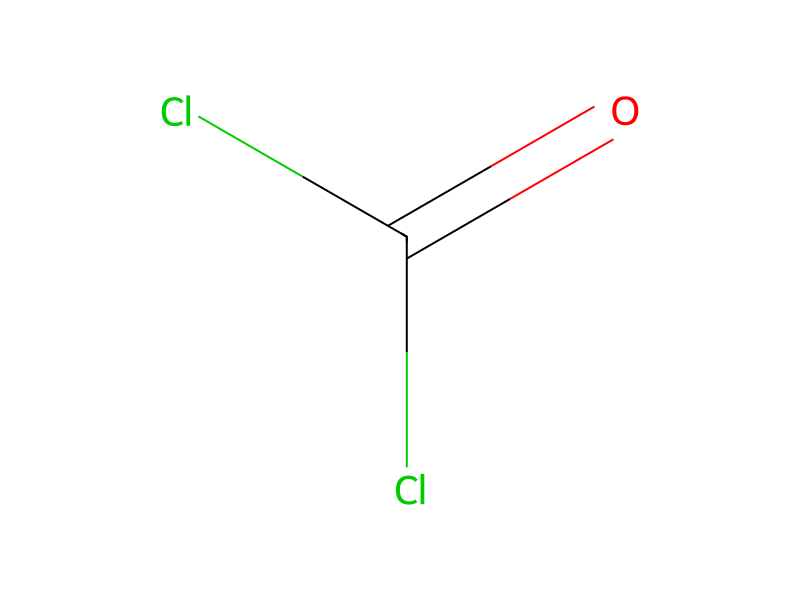
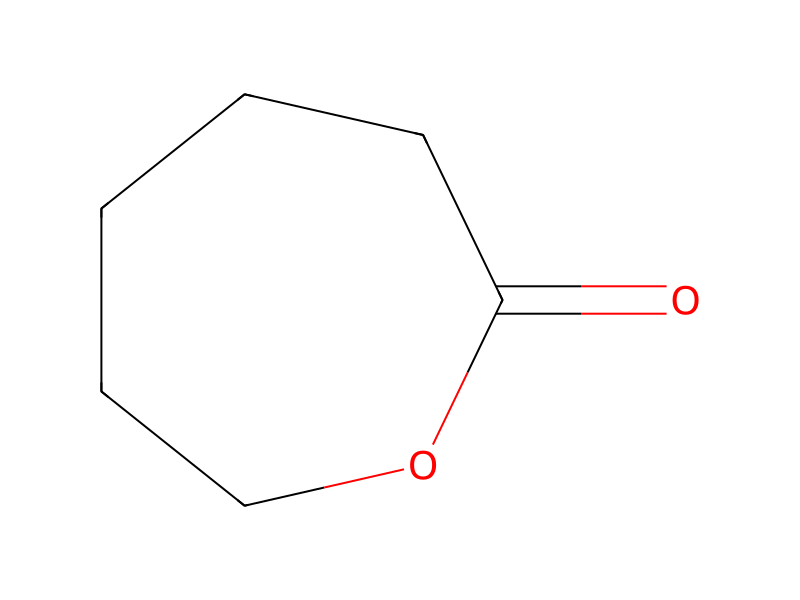
HCID 313Hydrochloric Acid2×HCID 6371Phosgene2×HCID 10401epsilon-CAPROLACTONEHCID 62781Mepiquat Chloride

Produkt 2

HCID 10401epsilon-CAPROLACTONEHCID 880146-Chlorohexanoyl chloride

Versuchsvorschrift

456 parts of 6-caprolactone and 9 parts of N,N-dimethylpiperidinium chloride are initially taken in the stirred reactor described in Example 1. 380 parts of phosgene and 70 parts of hydrogen chloride are passed in at 170°-175° C. in the course of 7 hours. The reaction mixture is then kept at this temperature for a further hour. Any phosgene and hydrogen chloride still present are blown out with nitrogen, and the reaction mixture is then worked up by distillation under reduced pressure. 424 parts of 6-chlorohexanoyl chloride and 86 parts of caprolactone are obtained. The conversion is 81% and the yield is 77.3%, based on lactone used.


Aufarbeitung

  1. customare passed in at 170°-175° C. in the course of 7 hours
  2. waitThe reaction mixture is then kept at this temperature for a further hour
  3. distillationthe reaction mixture is then worked up by distillation under reduced pressure

Quellen und Nachweise

ORD-Eintrag
ord-5acd77535c4a4c6691f2c1b53feccebc
Quelldatensatz
uspto-grants-1988_08
DOI
10.6084/m9.figshare.5104873.v1
Patentnummer
US04764309

Notizen zur Reaktion

Auf dieser SeiteKomponentenVersuchsvorschriftAufarbeitungQuellen und NachweiseNotizen zur Reaktion