Reaktionsgleichung

[Cl:1][C:2]1[CH:3]=[C:4]2[C:8](=[CH:9][CH:10]=1)[N:7]([C:11]1[CH:16]=[CH:15][CH:14]=[CH:13][C:12]=1[NH:17][C:18]([N:20]1[CH2:25][CH2:24][N:23]([CH3:26])[CH2:22][CH2:21]1)=O)[CH2:6][CH2:5]2.N1C2C=CC=CC=2C=NC=C1>>[CH3:26][N:23]1[CH2:24][CH2:25][N:20]([C:18]2[C:9]3[CH:10]=[C:2]([Cl:1])[CH:3]=[C:4]4[CH2:5][CH2:6][N:7]([C:8]=34)[C:11]3[CH:16]=[CH:15][CH:14]=[CH:13][C:12]=3[N:17]=2)[CH2:21][CH2:22]1Komponenten
3


Versuchsvorschrift
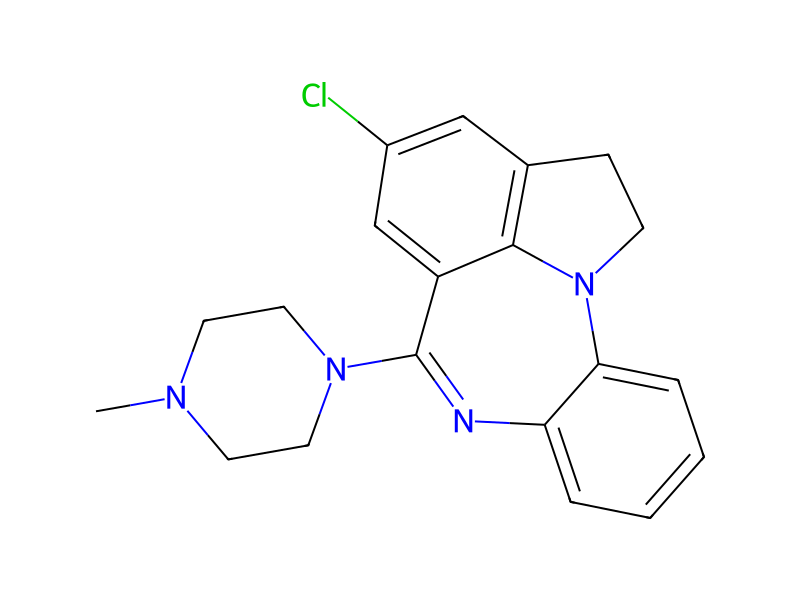
It is predicted that if the N-[2-(5-chloro-2,3-dihydro-1H-indol- 1-yl)phenyl]-4-methyl-1-piperazinecarboxamide of Example 12a is treated in the manner of Example 4c that 6-(4-methyl-1-piperazinyl)-4-chloro-1,2-dihydrobenzo[b]3,2,1-jk][1,4]benzodiazepine will be obtained.
Aufarbeitung
- customwill be obtained
Quellen und Nachweise
- ORD-Eintrag
- ord-78bef05da8164498bd433b7b1cd83d7b
- Quelldatensatz
- uspto-grants-1988_08
- Patentnummer
- US04764616
Verknüpfte Notizen
Wird geladen…