StartseiteMCPWorkbenchSkills
StartseiteWorkbenchBenachrichtigungenMein Bereich
llms.txt · MCP-AnleitungDatenschutz · Nutzungsbedingungen · Supportv1.8.3
  1. Startseite
  2. /Reaktion

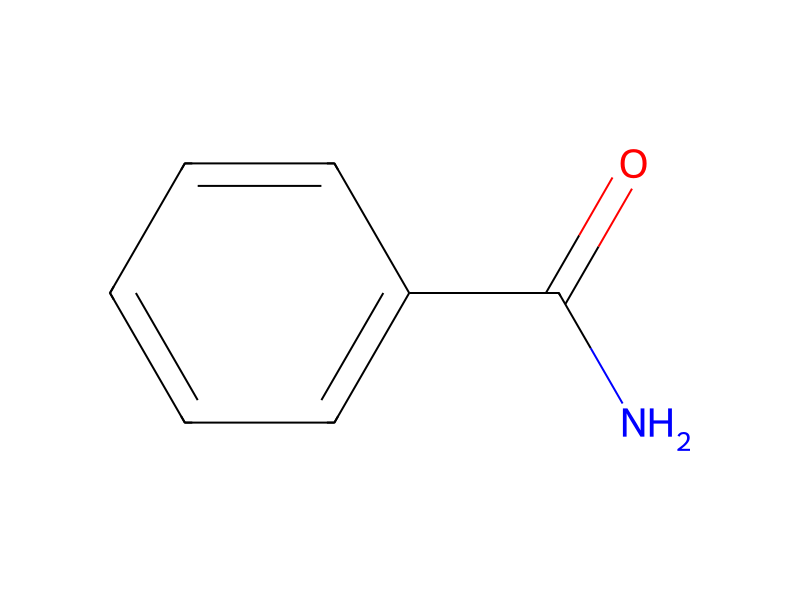
Benzamide → Methyl (5-methyl-2-phenyl-1,3-oxazol-4-yl)acetate

HRID 353669
Drucken

Reaktionsgleichung

Reaktionsgleichung von HRID 353669
Br[CH:2]([CH3:10])[C:3](=O)[CH2:4][C:5]([O:7][CH3:8])=[O:6].[C:11]([NH2:19])(=[O:18])[C:12]1[CH:17]=[CH:16][CH:15]=[CH:14][CH:13]=1>O.C1(C)C=CC(S(O)(=O)=O)=CC=1.CO>[CH3:10][C:2]1[O:18][C:11]([C:12]2[CH:17]=[CH:16][CH:15]=[CH:14][CH:13]=2)=[N:19][C:3]=1[CH2:4][C:5]([O:7][CH3:8])=[O:6]
KomponentenReaktionsbedingungenVersuchsvorschriftAufarbeitungQuellen und NachweiseNotizen zur Reaktion

Komponenten

5

Edukt 2

HCID 2331BenzamideHCID 9815681Methyl 4-bromo-3-oxopentanoate

Produkt 1

HCID 2775318Methyl (5-methyl-2-phenyl-1,3-oxazol-4-yl)acetateAusbeute 85,1 %

Reagenzien, Katalysatoren, Lösungsmittel 2

HCID 521998p-Toluenesulfonic acid monohydrateKatalysatorHCID 887MethanolLösungsmittel

Reaktionsbedingungen

Temperatur
90 °C

Versuchsvorschrift

A 500-ml 4-necked flask equipped with a mechanical stirrer, a thermometer, a Claisen head with a condenser and a receiver connected to a cold trap and a vacuum controller was charged with 52.26 g of crude methyl 4-bromo-3-oxovalerate (ca. 0.250 mol) and 46.5 g of benzamide. A vacuum of 400 mbar was applied and the suspension was stirred at 90° C. for 18 h. After ca. 3 h the suspension had become a clear orange oil. After cooling to rt 300 ml of methanol and 1.0 g of p-toluenesulfonic acid monohydrate were added and the brown solution was stirred at reflux (ca. 73° C.) for 1 h. After this time 50 ml of methanol were distilled off, 50 ml of methanol were added and the mixture was heated at reflux for additional 30 min. After cooling and rotary evaporation (50° C., 8 mbar, 30 min), the residue was treated under argon with 150 ml of toluene and 125 ml of sat. aqueous sodium bicarbonate solution. The resulting suspension was stirred in an ice bath for 1 h, the precipitated benzamide was filtered off with suction and the filter cake was washed twice with a small amount of ice-cold toluene and water. The combined aqueous phases were extracted in a separatory funnel with 100 ml of toluene. Thereafter the combined organic phases were washed twice with 30 ml, a total of 60 ml of deionized water, dried (Na2SO4) and rotary evaporated (50° C., 8 mbar,1 h) to give 49.22 g of crude Methyl 2-(5-methyl-2-phenyl-4-oxazolyl)acetate (theor. amount 57.81 g) as a yellow oil, which was used without purification in the next step.

Aufarbeitung

  1. customA 500-ml 4-necked flask equipped with a mechanical stirrer
  2. customa thermometer, a Claisen head with a condenser and a receiver connected to a cold trap
  3. waitAfter ca. 3 h the suspension had become
  4. additionwere added
  5. stirringthe brown solution was stirred
  6. temperatureat reflux (ca. 73° C.) for 1 h
  7. distillationAfter this time 50 ml of methanol were distilled off
  8. addition50 ml of methanol were added
  9. temperaturethe mixture was heated
  10. temperatureat reflux for additional 30 min
  11. temperatureAfter cooling
  12. customrotary evaporation (50° C., 8 mbar, 30 min)
  13. additionthe residue was treated under argon with 150 ml of toluene and 125 ml of sat. aqueous sodium bicarbonate solution
  14. stirringThe resulting suspension was stirred in an ice bath for 1 h
  15. filtrationthe precipitated benzamide was filtered off with suction
  16. washthe filter cake was washed twice with a small amount of ice-cold toluene and water
  17. extractionThe combined aqueous phases were extracted in a separatory funnel with 100 ml of toluene
  18. washThereafter the combined organic phases were washed twice with 30 ml
  19. dry with materiala total of 60 ml of deionized water, dried (Na2SO4)
  20. customrotary evaporated (50° C., 8 mbar,1 h)

Quellen und Nachweise

ORD-Eintrag
ord-1078fc475cbc4c8a96dea57796a94ae2
Quelldatensatz
uspto-grants-2004_06
DOI
10.6084/m9.figshare.5104873.v1
Patentnummer
US06753432B2

Notizen zur Reaktion

Auf dieser SeiteKomponentenReaktionsbedingungenVersuchsvorschriftAufarbeitungQuellen und NachweiseNotizen zur Reaktion
