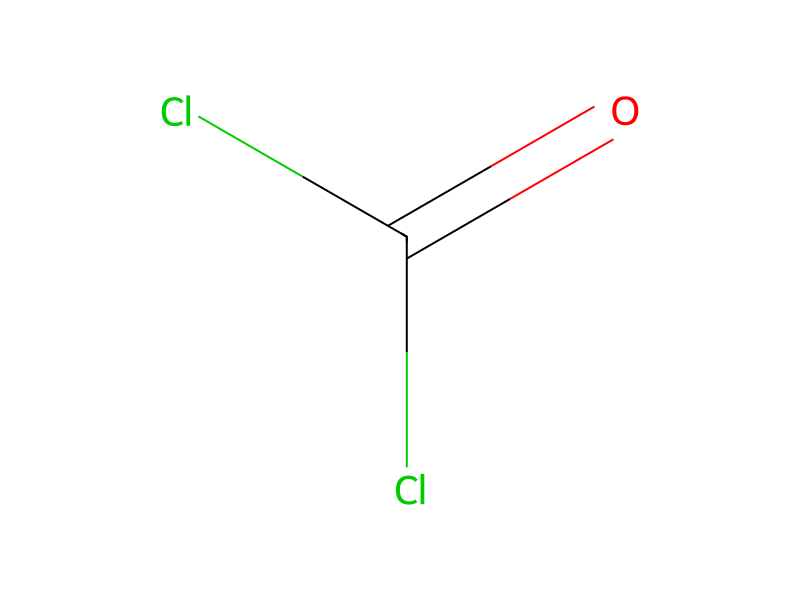
[Cl:1][C:2]1[CH:3]=[CH:4][C:5]2[N:11]=[C:10]([NH:12][NH2:13])[CH2:9][CH:8]=[C:7]([C:14]3[CH:19]=[CH:18][CH:17]=[CH:16][C:15]=3[F:20])[C:6]=2[CH:21]=1.[C:22](Cl)(Cl)=[O:23]>N1C=CC=CC=1.C1(C)C=CC=CC=1>[Cl:1][C:2]1[CH:3]=[CH:4][C:5]2[N:11]3[C:22](=[O:23])[NH:13][N:12]=[C:10]3[CH2:9][CH:8]=[C:7]([C:14]3[CH:19]=[CH:18][CH:17]=[CH:16][C:15]=3[F:20])[C:6]=2[CH:21]=10.15 g of 7-chloro-5-(2-fluorophenyl)-2-hydrazino-3H-1-benzazepine is dissolved in 10 ml of pyridine and treated with 1.44 ml of a 14.3% solution of phosgene in toluene. The mixture is heated to 60° for 5 minutes and then evaporated in vacuo. The residue is partitioned between benzene and water. The benzene phase is washed successively with water, with sodium hydrogen carbonate solution and with water. The solvent is evaporated in vacuo. The residue is chromatographed on 15 g of silica gel while eluting with benzene/ethyl acetate (19:1 and 9:1). After recrystallization from ether/hexane, there is obtained pure 8-chloro-6-(2-fluorophenyl)-2,4-dihydro-1H-s-triazolo[4,3-a][1]benzazepin-1-one of melting point 223°-225°.