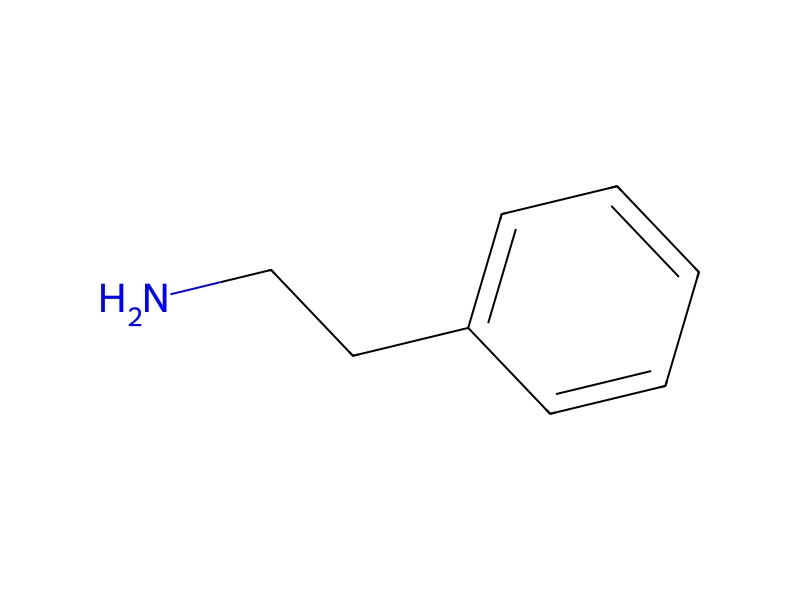
[Cl:1][C:2]1[CH:10]=[CH:9][C:5]([C:6]([OH:8])=O)=[CH:4][N:3]=1.C(N1C=CN=C1)(N1C=CN=C1)=O.[CH2:23]([NH2:31])[CH2:24][C:25]1[CH:30]=[CH:29][CH:28]=[CH:27][CH:26]=1>CN(C)C=O.O1CCCC1>[CH2:23]([NH:31][C:6]([C:5]1[CH:4]=[N:3][C:2]([Cl:1])=[CH:10][CH:9]=1)=[O:8])[CH2:24][C:25]1[CH:30]=[CH:29][CH:28]=[CH:27][CH:26]=1A solution of 10 g of 6-chloro-nicotinic acid in 80 ml of N,N-dimethylformamide and 160 ml of tetrahydrofuran was treated with 10.75 g of 1,1'-carbonyldiimidazole and stirred at room temperature for 4 h. Thereafter, the reaction mixture was treated with 8.76 g of phenethylamine and stirred at 70° C. for a further 2 h. The mixture was cooled to room temperature, evaporated to dryness and the residue was taken up in 200 ml of dichloromethane. The organic phase was washed three times with 50 ml of water each time, dried over sodium sulfate and evaporated to dryness. Recrystallization of the residue from isopropanol yielded 11.9 g of 6-chloro-pyridine-3-carboxylic acid phenethyl-amide as a colorless product, m.p. 115° C.