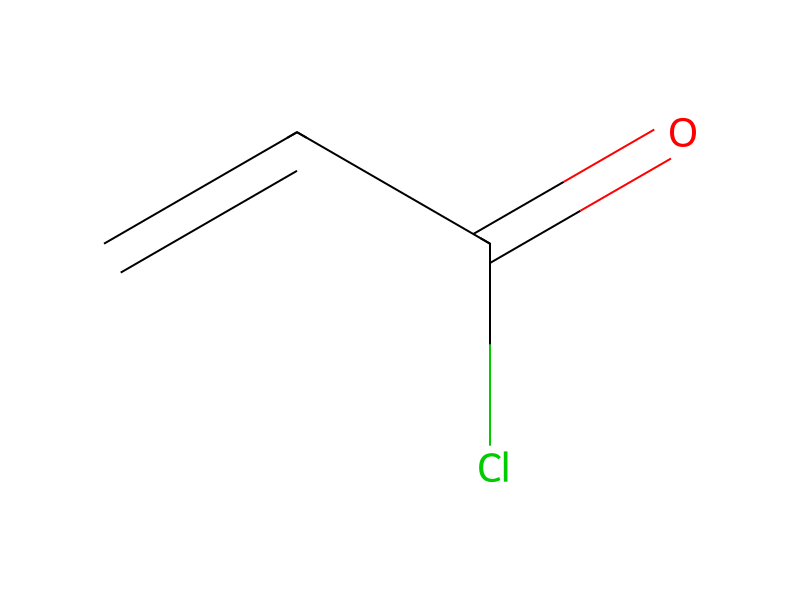
A mixture of acryloyl choride (102.0 g, 1.13 moles) in methylene chloride (100 ml) was added dropwise into a solution of N-methyl piperazine (86.0 g, 0.86 moles) in methylene chloride (450 ml) over a period of one hour. During the addition, the temperature of the N-methyl piperazine/methylene chloride was kept below 25° C. After the addition was complete, the reaction mixture was stirred at room temperature for two hours. The reraction mixture was neutralized with 260 g of 17% sodium carbonate solution. The organic layer containing the crude product was separated from the aqueous layer via a separatory funnel. The aqueous layer was washed well with methylene chloride. Combination of the organic phases and rotoevaporation of the solvent yielded 100.0 grams of crude product. Distillation of the crude product yield a fraction (74°-78° C./5 mm Hg) that was>98% by G.C. analysis. 13C nmr and IR analysis gave spectra consistent with the title compound.