Reaktionsgleichung

[F:1][C:2]1[CH:9]=[CH:8][C:5]([CH2:6][NH2:7])=[CH:4][CH:3]=1.Cl[C:11]1[C:12]2[C:25]([CH3:26])=[C:24]([CH3:27])[S:23][C:13]=2[N:14]=[C:15]([C:17]2[CH:18]=[N:19][CH:20]=[CH:21][CH:22]=2)[N:16]=1>>[N:19]1[CH:20]=[CH:21][CH:22]=[C:17]([C:15]2[N:16]=[C:11]([NH:7][CH2:6][C:5]3[CH:8]=[CH:9][C:2]([F:1])=[CH:3][CH:4]=3)[C:12]3[C:25]([CH3:26])=[C:24]([CH3:27])[S:23][C:13]=3[N:14]=2)[CH:18]=1Komponenten
3


Versuchsvorschrift
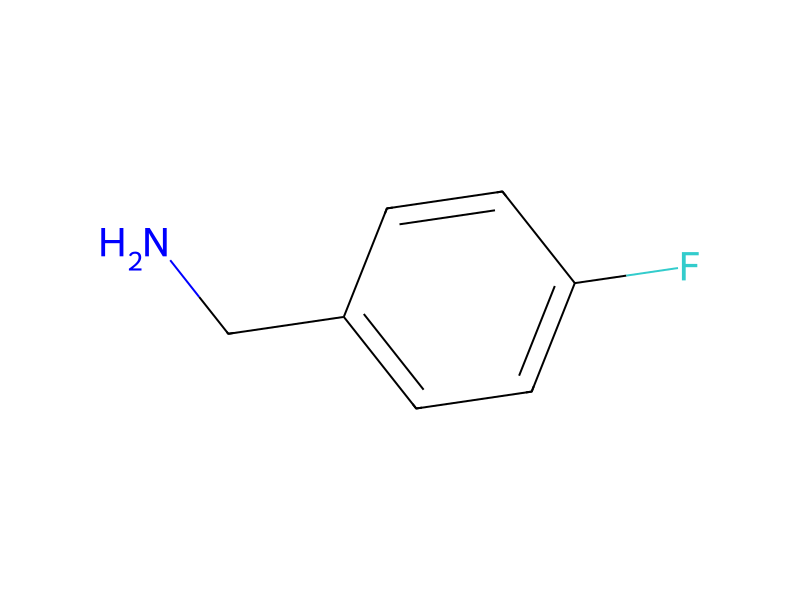
With the procedure of Example 1, the reaction of 4-fluorobenzylamine with 4-chloro-2-(pyridin-3-yl)-5,6-dimethyl-thieno-[2,3-d]-pyrimidine yields 2-(pyridin-3-yl)-4-(4-fluorobenzylamino)-5,6-dimethyl-thieno-[2,3-d]-pyrimidine.
Quellen und Nachweise
- ORD-Eintrag
- ord-a5aabf8f44d9400a992cebee342dbc2a
- Quelldatensatz
- uspto-grants-2000_10
- Patentnummer
- US06133271
Verknüpfte Notizen
Wird geladen…