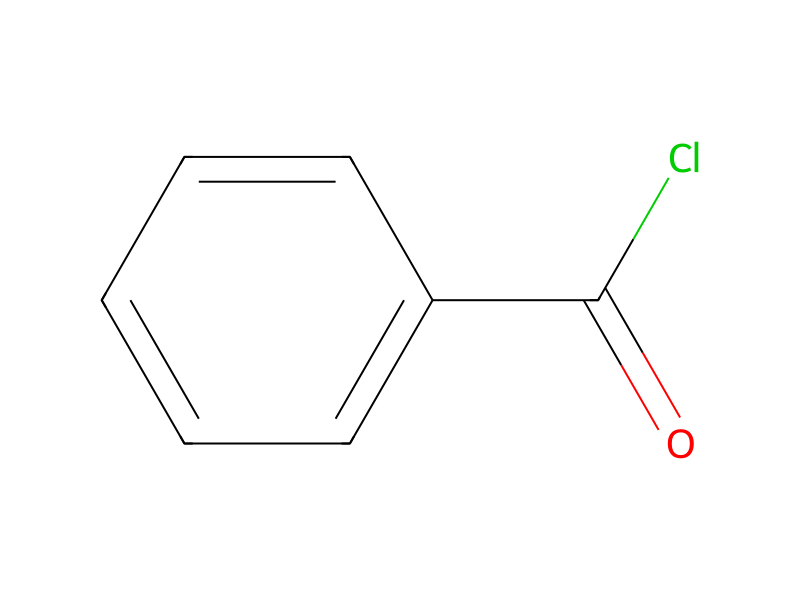
2.6 g (0.02 mole) of 5-fluorouracil was suspended in 10 ml of absolute pyridine and 10 ml of absolute dioxane, and the suspension was warmed to 80° C and stirred. 5.6 g (0.04 mole) of benzoyl chloride was then added dropwise thereto followed by stirring at 80° C for 1.5 hours to allow the mixture to react. After completion of the reaction, the reaction mixture was poured into ice-water followed by stirring, and the thus precipitated solid was filtered, washed with water and then dissolved in benzene while hot (80° C). Any insoluble matter was removed by filtration, and the filtrate allowed to cool to precipitate crystals, which were recovered by filtration to obtain 1.5 g of 3-N-benzoyl-5-fluorouracil in a yield of 32% (the filtrate was set aside). Melting Point: 170° C.