Cysteamine → (2S,4R)-4-methanesulfonyloxy-1-(4-nitrobenzyloxycarbonyl)-2-(2-thiazolin-2-yl)pyrrolidine
HRID 37257
Reaktionsgleichung

[C:1]([C@@H:3]1[CH2:7][C@@H:6]([O:8][S:9]([CH3:12])(=[O:11])=[O:10])[CH2:5][N:4]1[C:13]([O:15][CH2:16][C:17]1[CH:22]=[CH:21][C:20]([N+:23]([O-:25])=[O:24])=[CH:19][CH:18]=1)=[O:14])#[N:2].N[CH2:27][CH2:28][SH:29]>O1CCCC1>[CH3:12][S:9]([O:8][C@H:6]1[CH2:5][N:4]([C:13]([O:15][CH2:16][C:17]2[CH:22]=[CH:21][C:20]([N+:23]([O-:25])=[O:24])=[CH:19][CH:18]=2)=[O:14])[C@H:3]([C:1]2[S:29][CH2:28][CH2:27][N:2]=2)[CH2:7]1)(=[O:11])=[O:10]Komponenten
4
Edukt 2
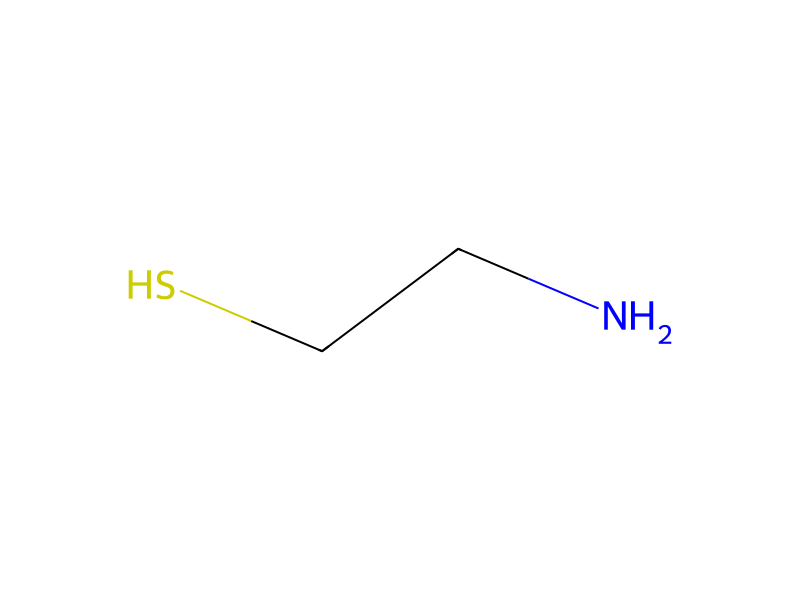

Produkt 1

Reagenzien, Katalysatoren, Lösungsmittel 1

Versuchsvorschrift
To a solution of (2S, 4R)-2-cyano-4-methanesulfonyloxy-1-(4-nitrobenzyloxycarbonyl) pyrrolidine (2 g) in tetrahydrofuran (40 ml) was added 2-aminoethanethiol (630 mg) at ambient temperature. After stirring for 24 hours at the same temperature, the mixture was evaporated. The residue was extracted with dichloromethane, washed with water and brine successively, and dried over magnesium sulfate. The organic layer was evaporated, and then the obtained oil was subjected to a column chromatography on silica gel and eluted with a mixture of dichloromethane and acetone (4:1V/V) to give (2S,4R)-4-methanesulfonyloxy-1-(4-nitrobenzyloxycarbonyl)-2-(2-thiazolin-2-yl) pyrrolidine (0.96 g).