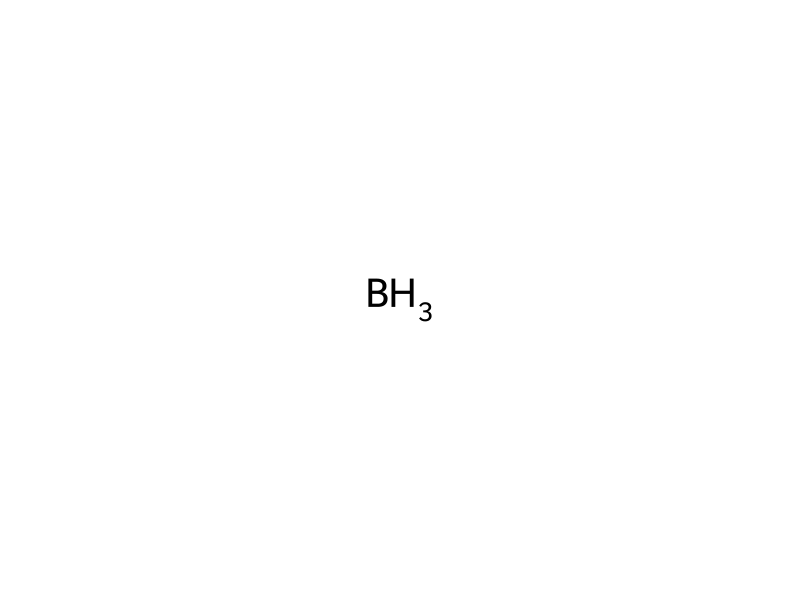
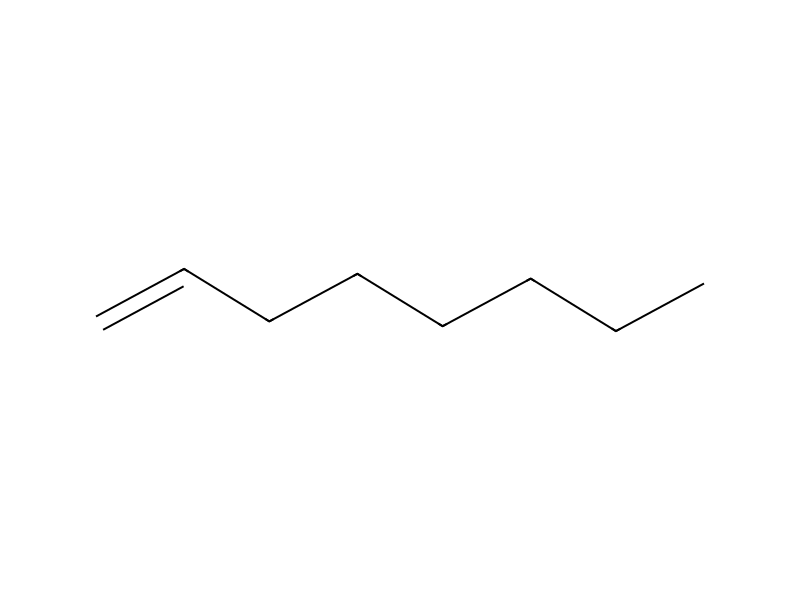
Borane → 1-Octene
HRID 374664
Reaktionsgleichung

[BH3:1].B#B.O1[CH2:8][CH2:7][CH2:6][CH2:5]1>>[CH2:5]=[CH:6][CH2:7][CH2:8][CH2:5][CH2:6][CH2:7][CH3:8].[CH2:5]([B:1]([CH2:5][CH2:6][CH2:7][CH2:8][CH2:5][CH2:6][CH2:7][CH3:8])[CH2:5][CH2:6][CH2:7][CH2:8][CH2:5][CH2:6][CH2:7][CH3:8])[CH2:6][CH2:7][CH2:8][CH2:5][CH2:6][CH2:7][CH3:8]Komponenten
5



Versuchsvorschrift
In the practice of the invention, borane adducts of N,N-diisopropylalkylamines are prepared by passing diborane into a neat amine until no more diborane is absorbed. The adduct with N,N-diisopropylisobutylamine is liquid above 0° C., 4.6M in borane, and is stable over prolonged periods at room temperature. The adduct with N,N-diisopropyl-sec-butylamine is a liquid 3.3M in borane when freshly prepared at 0° C., slowly losing borane at room temperature. All of the adducts of this invention hydroborate 1-octene in tetrahydrofuran at room temperature in less than 1 hour to give trioctylborane. They are also soluble in diethyl ether and dichloromethane. Alternatively, neat adducts can be used for hydroboration.