Reaktionsgleichung

C1(C)C=CC(S[C:8]2[C:16]3[C:11](=[CH:12][CH:13]=[CH:14][CH:15]=3)[NH:10][CH:9]=2)=CC=1.[C:18]1([S:24](Cl)(=[O:26])=[O:25])[CH:23]=[CH:22][CH:21]=[CH:20][CH:19]=1.[OH-].[K+]>>[C:18]1([S:24]([N:10]2[C:11]3[C:16](=[CH:15][CH:14]=[CH:13][CH:12]=3)[CH:8]=[CH:9]2)(=[O:26])=[O:25])[CH:23]=[CH:22][CH:21]=[CH:20][CH:19]=1Komponenten
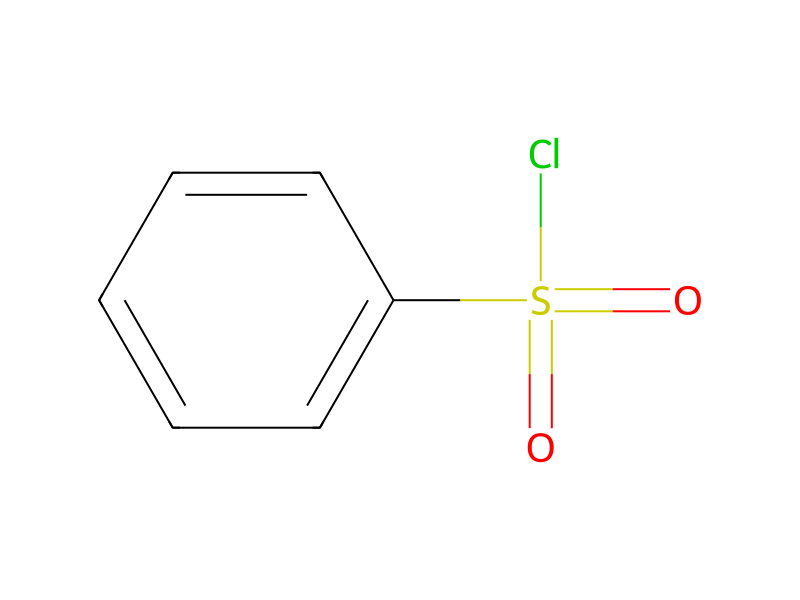



Versuchsvorschrift
The preparation of compounds in which L1 is --SO2 -- is shown in Scheme 7. According to Scheme 7, the desired substituted indole is reacted with p-tolyldisulfide and sulfonyl chloride in the presence of triethylamine to form 3-(p-tolylthio)indole 44. Reaction of 44 with phenylsulfonyl chloride and KOH gives 1-phenylsulfonylindole derivative 45 which is oxidized to 46 with H2O2 in acetic acid. Bromination of 46 with N-bromosuccinimide and benzoyl peroxide gives bromomethyl compound 47. Displacement of bromide with potassium bis(t-butyloxycarbonyl)amide and deprotection with trifluoroacetic acid followed by sodium carbonate gives benzyl amine 49. Reaction of 49 with ethoxynitropyridine 34, in which any one of A, B, C, or D is nitrogen, followed by reduction with iron and NH4Cl gives diamine 51 which is converted to imidazopyridine 52 as described in Scheme 3b. The desired final product 53 is then prepared as described in PCT/US92/05890 (international publication no. WO 93/1813). ##STR16##
Quellen und Nachweise
- ORD-Eintrag
- ord-6f8b6314f48c4b03aea37b71952062c9
- Quelldatensatz
- uspto-grants-1996_01
- Patentnummer
- US05486525
Verknüpfte Notizen
Wird geladen…