Mezacopride → N-(1-Azabicyclo[2.2.2]oct-3-yl)-5-chloro-2-methoxy-4-methylaminobenzamide-N-oxide, hydrochloride
HRID 3763
Reaktionsgleichung

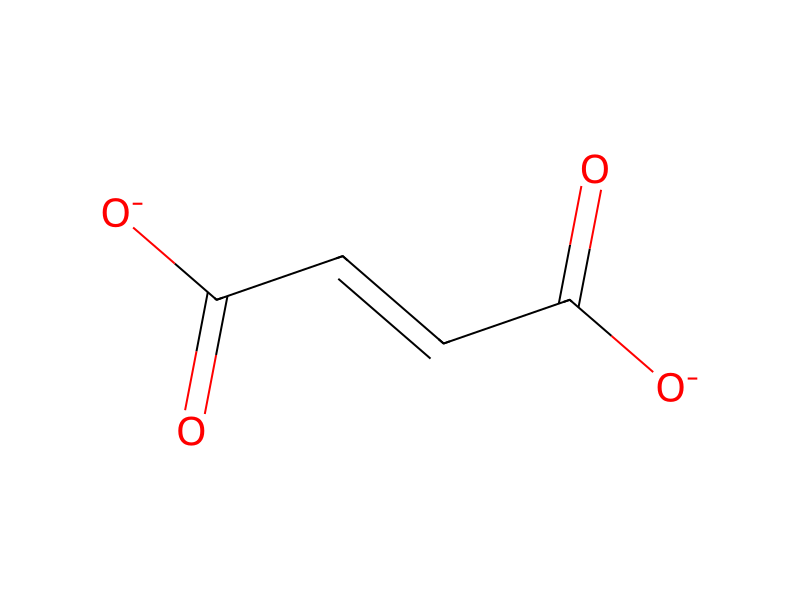
[N:1]12[CH2:8][CH2:7][CH:4]([CH2:5][CH2:6]1)[CH:3]([NH:9][C:10](=[O:22])[C:11]1[CH:16]=[C:15]([Cl:17])[C:14]([NH:18][CH3:19])=[CH:13][C:12]=1[O:20][CH3:21])[CH2:2]2.C([O-])(=O)/C=C/C([O-])=[O:27]>>[ClH:17].[N:1]12[CH2:8][CH2:7][CH:4]([CH2:5][CH2:6]1)[CH:3]([NH+:9]([O-:27])[C:10](=[O:22])[C:11]1[CH:16]=[C:15]([Cl:17])[C:14]([NH:18][CH3:19])=[CH:13][C:12]=1[O:20][CH3:21])[CH2:2]2Komponenten
3


Versuchsvorschrift
N-(1-Azabicyclo[2.2.2]oct-3-yl)-5-chloro-2-methoxy-4-methylaminobenzamide, fumarate [1:1] is converted to the free base by partitioning with aqueous sodium hydroxide and methylene chloride. Using the procedure of Example 1, the free base is reacted with peracetic acid to obtain the N-oxide and finally with hydrogen chloride in isopropanol to give the hydrochloride.
Aufarbeitung
- customby partitioning with aqueous sodium hydroxide and methylene chloride
- customthe free base is reacted with peracetic acid