Dimethyl Carbonate → Methyl 7-bromo-3,4-dihydro-2-hydroxy-1-naphthoate
HRID 381536
Reaktionsgleichung

[H-].[Na+].[Br:3][C:4]1[CH:13]=[C:12]2[C:7]([CH2:8][CH2:9][C:10](=[O:14])[CH2:11]2)=[CH:6][CH:5]=1.[C:15](=O)([O:18]C)[O:16][CH3:17]>>[Br:3][C:4]1[CH:13]=[C:12]2[C:7]([CH2:8][CH2:9][C:10]([OH:14])=[C:11]2[C:15]([O:16][CH3:17])=[O:18])=[CH:6][CH:5]=1Komponenten
4
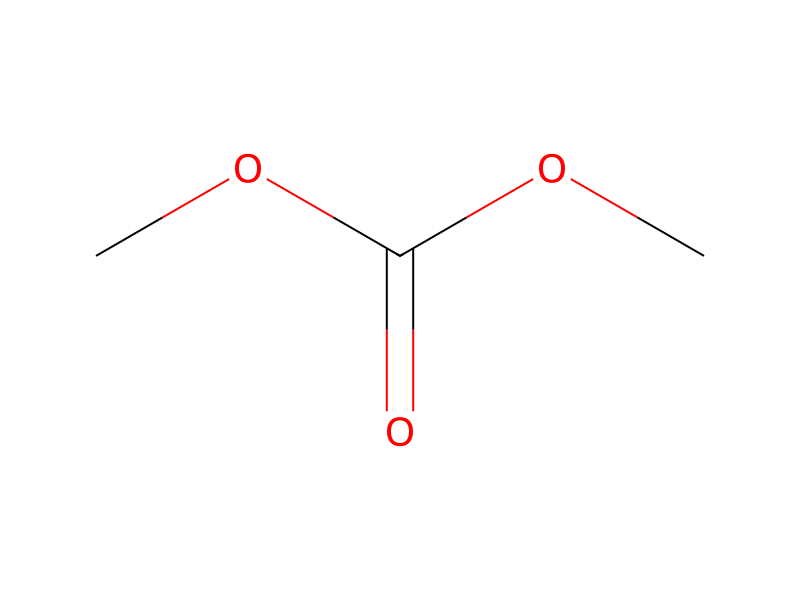



Versuchsvorschrift
To a refluxing stirred suspension of sodium hydride (5.6 g of 80% in oil, 187 mmoles) in dry dimethyl carbonate (120 ml) under a nitrogen atmosphere was added a solution of 7-bromo-2-tetralone (14 g, 61 mmoles) in dry dimethyl carbonate (60 ml) dropwise over 40 minutes. Refluxing was continued for an additional 45 minutes and then cooled to room temperature. The reaction was carefully quenched with glacial acetic acid, diluted with one volume of water and extracted with ethyl acetate (150 ml). The organic phase was dried over magnesium sulfate, filtered and evaporated under reduced pressure to leave a residue which was purified using silica gel column chromatography eluting with ethyl acetate:hexane (39:7) to give methyl 7-bromo-3,4-dihydro-2-hydroxy-1-naphthoate as a white solid. (15.2 g, 86%).