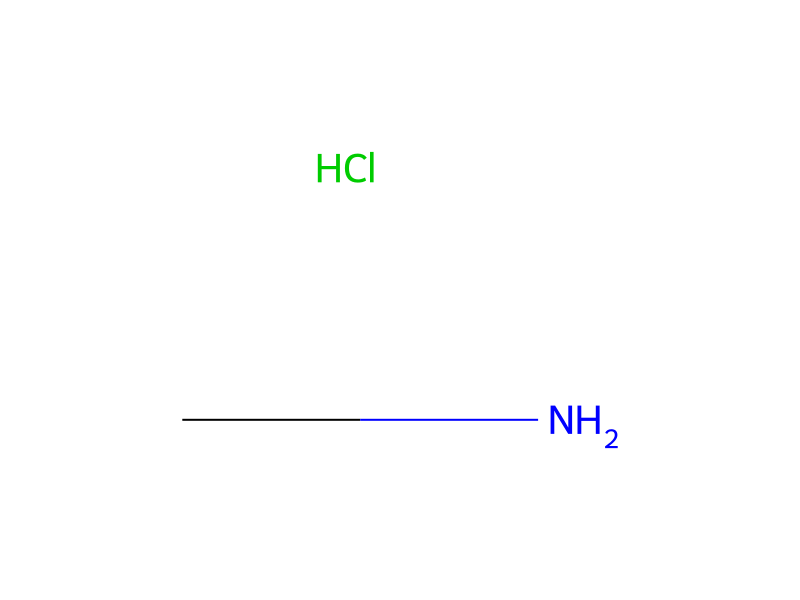
Cl.CN.[CH2:4]([N:6](CC)CC)C.Br[C:12]1[N:16]([C@H:17]2[O:29][C@@H:28]([CH2:30][O:31]C(=O)C)[C@H:23]([O:24]C(=O)C)[C@@H:18]2[O:19]C(=O)C)[C:15]2[CH:35]=[C:36]([Cl:40])[C:37]([Cl:39])=[CH:38][C:14]=2[N:13]=1.C(O)C>CN(C=O)C>[Cl:39][C:37]1[C:36]([Cl:40])=[CH:35][C:15]2[N:16]([C@H:17]3[O:29][C@@H:28]([CH2:30][OH:31])[C@H:23]([OH:24])[C@@H:18]3[OH:19])[C:12]([NH:6][CH3:4])=[N:13][C:14]=2[CH:38]=1Methylamine hydrochloride (3.0 g, 45 mmol), triethylamine (3 mL), and 2-bromo-5,6-dichloro-1-(2,3,5-tri-O-acetyl-beta-L-ribofuranosyl)-1H-benzimidazole (0.6 g, 1.1 mmol) were combined with absolute ethanol (25 mL) and stirred at 80° C. for 24 h. The reaction mixture was separated between saturated sodium bicarbonate (50 mL) and ethyl acetate (150 mL). The organic layer was dried with sodium sulfate, concentrated and absorbed onto silica gel (15 g). This material was dry loaded onto a silica gel column (5 cm×10 cm, 230-400 mesh) with 1:10 methanol:dichloromethane. The main product came off the column as a white solid (0.22 g, 0.62 mmol, 54%) m.p. 238-240° C.; [a]20D=(−) 15.2 (c=0.5 DMF).