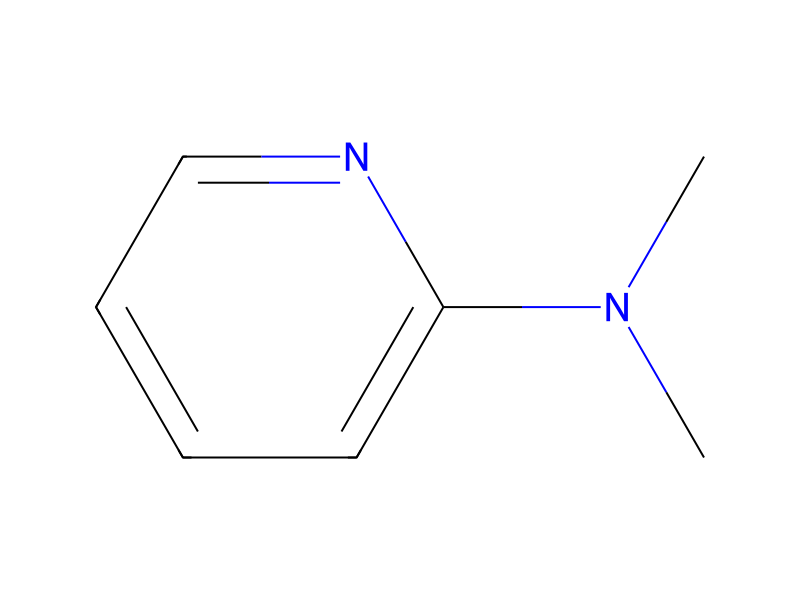
[CH3:1][C:2]1([CH3:10])[CH2:7][CH2:6][C:5](=[O:8])[CH2:4][C:3]1=[O:9].C([O-])(=O)C.C([O-])(=O)C.C([O-])(=O)C.[Br:23][C:24]1[CH:25]=[CH:26][C:27]([CH2:31][CH3:32])=[C:28]([Pb+3])[CH:29]=1.CN(C1C=CC=CN=1)C.Cl>ClCCl.C1(C)C=CC=CC=1.C(Cl)(Cl)Cl>[Br:23][C:24]1[CH:29]=[CH:28][C:27]([CH2:31][CH3:32])=[C:26]([CH:4]2[C:3](=[O:9])[C:2]([CH3:10])([CH3:1])[CH2:7][CH2:6][C:5]2=[O:8])[CH:25]=1To a mixture of 4,4-dimethylcyclohexane-1,3-dione (6.28 g, 45 mmol), 5-bromo-2-ethylphenyl lead triacetate (28 g, 49 mmol) and dimethylaminopyridine (27.4 g, 0.22 mol) under nitrogen are added anhydrous chloroform (300 ml) and toluene (75 ml). The reaction mixture is heated at 80° C. for 2 hours and then allowed to cool to room temperature overnight. 2M Aqueous hydrochloric acid (750 ml) and dichloromethane (500 ml) are added and the mixture is filtered through diatomaceous earth, washing through with more dichloromethane (250 ml). The two layers are separated and the aqueous phase is extracted with dichloromethane (500 ml). The organic layers are combined and washed with 2M aqueous hydrochloric acid (1000 ml) and then brine (1000 ml), dried over anhydrous magnesium sulfate, filtered and the filtrate is evaporated under reduced pressure. The residue is purified by preparative normal phase chromatography to give 2-(5-bromo-2-ethylphenyl)-4,4-dimethylcyclohexane-1,3-dione (6.78 g).