Methyl Acrylate → (6S,7S,E)-methyl 7-(4-bromothiazol-5-yl)-7-(tert-butoxycarbonylamino)-6-(2,3-difluorophenyl)hept-2-enoate
HRID 403352
Reaktionsgleichung

[C:1]([O:5][CH3:6])(=[O:4])[CH:2]=[CH2:3].[Br:7][C:8]1[N:9]=[CH:10][S:11][C:12]=1[C@@H:13]([NH:27][C:28](=[O:34])[O:29][C:30]([CH3:33])([CH3:32])[CH3:31])[C@H:14]([C:19]1[CH:24]=[CH:23][CH:22]=[C:21]([F:25])[C:20]=1[F:26])[CH2:15][CH2:16]C=C>C(Cl)Cl>[Br:7][C:8]1[N:9]=[CH:10][S:11][C:12]=1[C@@H:13]([NH:27][C:28]([O:29][C:30]([CH3:31])([CH3:33])[CH3:32])=[O:34])[C@H:14]([C:19]1[CH:24]=[CH:23][CH:22]=[C:21]([F:25])[C:20]=1[F:26])[CH2:15][CH2:16]/[CH:3]=[CH:2]/[C:1]([O:5][CH3:6])=[O:4]Komponenten
4
Edukt 2
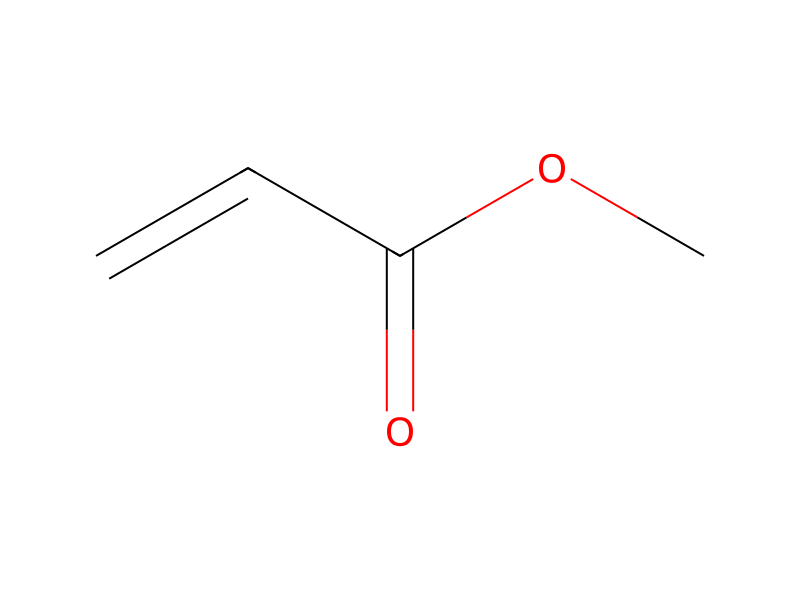

Produkt 1

Reagenzien, Katalysatoren, Lösungsmittel 1

Versuchsvorschrift
A mixture of methyl acrylate (0.16 mL, 1.80 mmol), GrubbsII catalyst (0.025 g, 0.030 mmol) and tert-butyl (1S,2S)-1-(4-bromothiazol-5-yl)-2-(2,3-difluorophenyl)hex-5-enylcarbamate (0.2842 g, 0.600 mmol) in methylene chloride (20 mL) was heat to reflux for 3 h under nitrogen. The solvent was removed under vacuum and the crude product was purified by silica gel chromatography, eluting with ethyl acetate in hexane from 0 to 45% to give the desired product (273.2 mg, 86%): MS (ESI)[M+H+]=533.13. 1H NMR showed inseparable diastereomers with a ratio of 3.5:1.