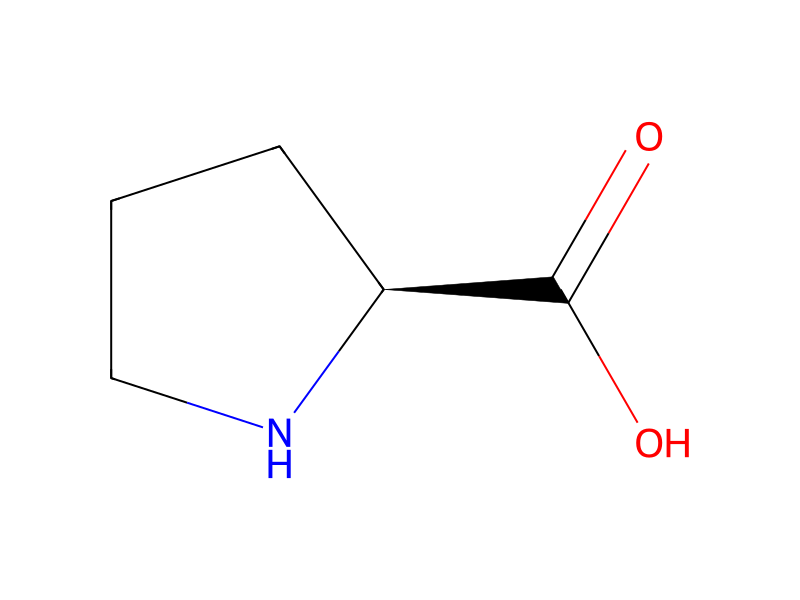
To a solution of L-proline (1.553 g, 13.49 mmol, CAS RN 147-85-3) in dimethylsulfoxide (80 mL) was added sodium hydroxide (0.54 g, 13.49 mmol) and the reaction mixture was stirred at 25° C. for 30 min. Then copper(I) iodide (2.568 g, 13.49 mmol), 3-chloro-5-iodo-benzoic acid methyl ester (5.0 g, 16.86 mmol, CAS RN 289039-85-6) and sodium methanesulfinate (13.77 g, 134.9 mmol, CAS RN 20277-69-4) were added to the reaction mixture and the reaction mixture was heated at 120° C. for 2 h. The reaction mixture was allowed to cool down, poured on saturated aqueous sodium bicarbonate solution (500 mL) and ethyl acetate (500 mL) and filtered through celite. The organic layer was separated and the aqueous layer was extracted twice with ethyl acetate (200 mL each). The combined organic layers were washed with cold water (200 mL) and brine (100 mL), dried over anhydrous sodium sulfate and evaporated. The residue was purified by column chromatography over silica gel (100-200 mesh) with a gradient of ethyl acetate:n-hexane (1:10 to 2:10) to get the desired compound as a colorless solid (2.31 g, 55%). MS (EI): m/z=248 ([M]).