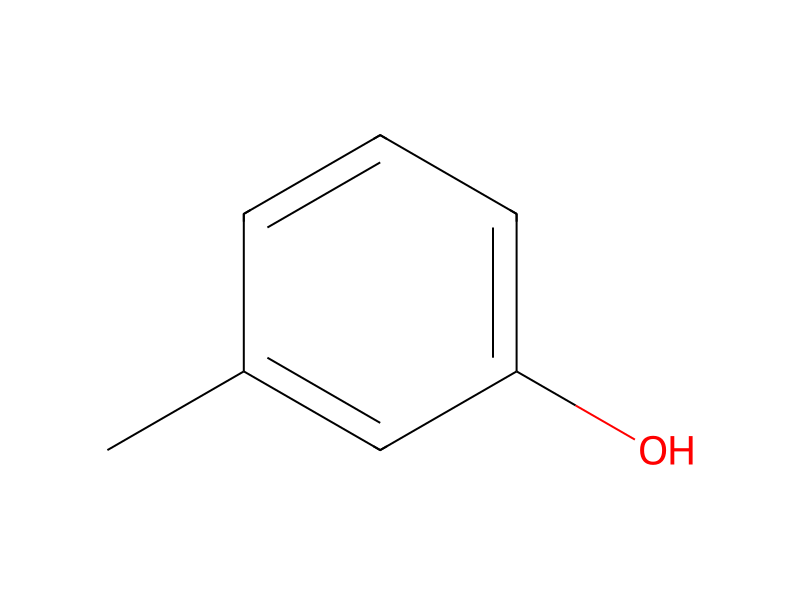
Cl[C:2]1[N:7]=[CH:6][N:5]=[C:4]([NH:8][C:9]2[CH:14]=[CH:13][CH:12]=[C:11]([NH2:15])[N:10]=2)[CH:3]=1.[CH3:16][C:17]1[CH:18]=[C:19]([OH:23])[CH:20]=[CH:21][CH:22]=1.C([O-])([O-])=O.[K+].[K+]>CN(C=O)C.CCOC(C)=O>[CH3:16][C:17]1[CH:18]=[C:19]([CH:20]=[CH:21][CH:22]=1)[O:23][C:2]1[N:7]=[CH:6][N:5]=[C:4]([NH:8][C:9]2[CH:14]=[CH:13][CH:12]=[C:11]([NH2:15])[N:10]=2)[CH:3]=1To a solution of N2-(6-chloropyrimidin-4-yl)pyridine-2,6-diamine (100 mg, 0.45 mmol) in DMF (1 mL) was added 3-methylphenol (88 mg, 0.8 mmol) and anhydrous K2CO3 (93 mg, 0.6 mmol). The reaction mixture was heated at 145° C. for 16 h. It was then cooled and DMF was removed under reduced pressure to get a yellow gummy residue. The residue was taken in EtOAc (20 mL) and washed with water (5 mL), brine (5 mL) and dried over Na2SO4. Filtration followed by concentration under reduced pressure afforded a yellow gum which was further purified by column chromatography (SiO2, 60-120, EtOAc/hexane, 5/5) to give N2-(6-(3-methylphenoxy)pyrimidin-4-yl)pyridine-2,6-diamine (IR-12) (100 mg, 75%) as a pale yellow solid.