StartseiteMCPWorkbenchSkills
StartseiteWorkbenchBenachrichtigungenMein Bereich
llms.txt · MCP-AnleitungDatenschutz · Nutzungsbedingungen · Supportv1.8.3
  1. Startseite
  2. /Reaktion

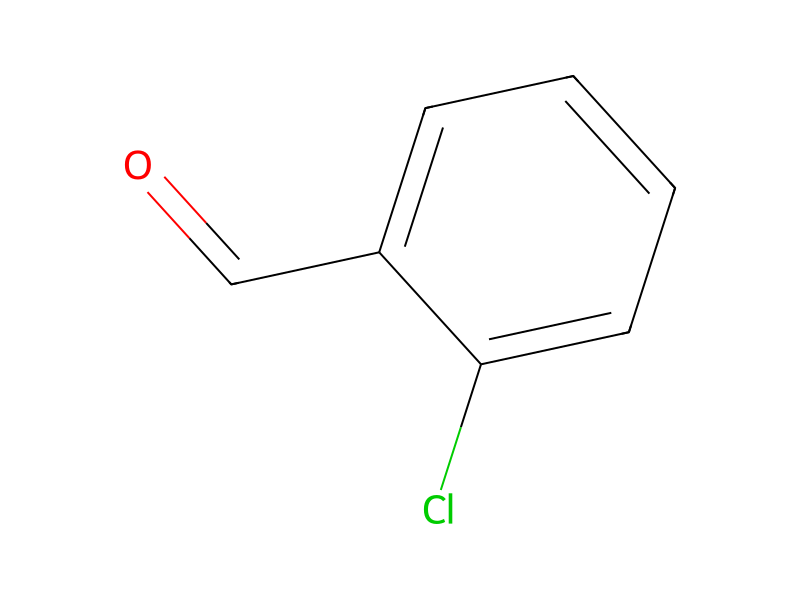
2,3-Dichloro-5,6-dicyano-1,4-benzoquinone → 2-[6-Chloro-8-(2-chlorophenyl)-2-methyl-purin-9-yl]ethanol

HRID 408824
Drucken

Reaktionsgleichung

Reaktionsgleichung von HRID 408824
[NH2:1][C:2]1[C:3]([NH:10][CH2:11][CH2:12][OH:13])=[N:4][C:5]([CH3:9])=[N:6][C:7]=1[Cl:8].[Cl:14][C:15]1[CH:22]=[CH:21][CH:20]=[CH:19][C:16]=1[CH:17]=O.ClC1C(=O)C(C#N)=C(C#N)C(=O)C=1Cl>[Fe](Cl)(Cl)Cl.O1CCOCC1>[Cl:8][C:7]1[N:6]=[C:5]([CH3:9])[N:4]=[C:3]2[C:2]=1[N:1]=[C:17]([C:16]1[CH:19]=[CH:20][CH:21]=[CH:22][C:15]=1[Cl:14])[N:10]2[CH2:11][CH2:12][OH:13]
KomponentenReaktionsbedingungenVersuchsvorschriftAufarbeitungQuellen und NachweiseNotizen zur Reaktion

Komponenten

6

Edukt 3

HCID 67752,3-Dichloro-5,6-dicyano-1,4-benzoquinoneHCID 69962-ChlorobenzaldehydeHCID 584590602-[(5-Amino-6-chloro-2-methyl-pyrimidin-4-yl)amino]ethanol

Produkt 1

HCID 584590762-[6-Chloro-8-(2-chlorophenyl)-2-methyl-purin-9-yl]ethanolAusbeute 31,4 %

Reagenzien, Katalysatoren, Lösungsmittel 2

HCID 24380
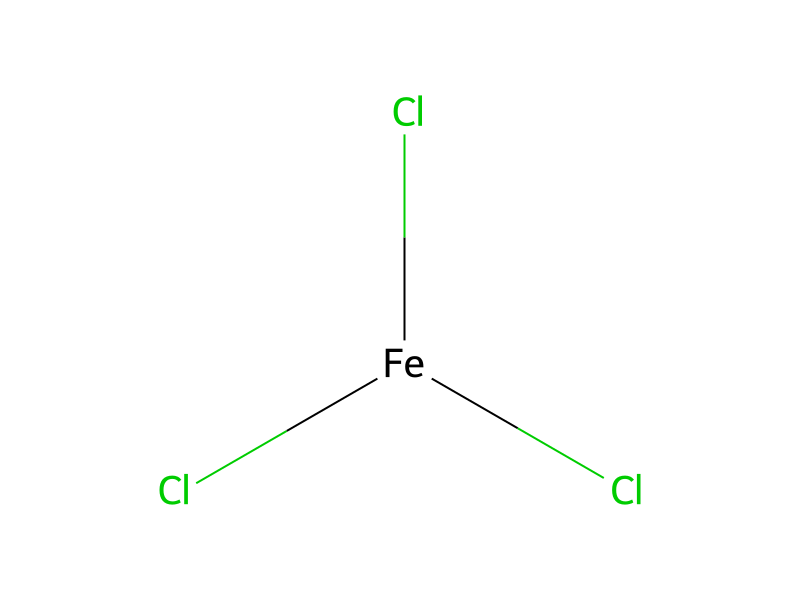
Iron chloride (FeCl3)
Katalysator
HCID 312751,4-DioxaneLösungsmittel

Reaktionsbedingungen

Temperatur
102.5 °C

Versuchsvorschrift

Charge a 500 mL three-necked round bottom flask with 2-[(5-amino-6-chloro-2-methyl-pyrimidin-4-yl)amino]ethanol (13.0 g, 0.064 mol) and 1,4-dioxane (300 mL). Add 2-chlorobenzaldehyde (13.5 g, 0.096 mol) followed by iron (III) chloride, 5 wt % on silica gel (37.5 g) in one portion. Heat the mixture to 100-105° C. for 48 h. Cool to 20-35° C., filter and rinse the cake with 1,4-dioxane (40 mL). Combine the filtrates and concentrate under vacuum. Dissolve the residue with dichloromethane (260 mL, 20 mL/g) and cool to 0-5° C. Add 2,3-dichloro-5,6-dicyano-1,4-benzoquinone (14.5 g, 0.064 mol) at 0° C., warm up the mixture to 10-25° C., and stir for 2 h. Filter and rinse the cake with ethanol (100 mL) and combine the filtrates. Concentrate down the filtrates under vacuum to give a dark residue. Re-dissolve the residue with dichloromethane (300 mL), wash this solution with 1 N aqueous sodium hydroxide to pH 10-11 followed by water (2×60 mL). Concentrate the organic layer to give crude material. Purify the crude over 400 g silica gel, eluting with dichloromethane/methanol (50:1) to afford a yellow solid (6.5 g). 1H NMR (dmso-d6): δ 7.73-7.56 (m, 4H); 4.83 (t, J=6 Hz, 1H); 4.12 (t, J=6 Hz, 2H); 3.61 (q, J=6 Hz, 2H); 2.73 (s, 3H).

Aufarbeitung

  1. temperatureCool to 20-35° C.
  2. filtrationfilter
  3. washrinse the cake with 1,4-dioxane (40 mL)
  4. concentrationCombine the filtrates and concentrate under vacuum
  5. dissolutionDissolve the residue with dichloromethane (260 mL, 20 mL/g)
  6. temperaturecool to 0-5° C
  7. filtrationFilter
  8. washrinse the cake with ethanol (100 mL)
  9. concentrationConcentrate down the filtrates under vacuum
  10. customto give a dark residue
  11. washRe-dissolve the residue with dichloromethane (300 mL), wash this solution with 1 N aqueous sodium hydroxide to pH 10-11
  12. concentrationConcentrate the organic layer
  13. customto give crude material
  14. customPurify the crude over 400 g silica gel
  15. washeluting with dichloromethane/methanol (50:1)

Quellen und Nachweise

ORD-Eintrag
ord-4f5508bdc3f84aee83dafee220d589db
Quelldatensatz
uspto-grants-2014_06
DOI
10.6084/m9.figshare.5104873.v1
Patentnummer
US08759360B2

Notizen zur Reaktion

Auf dieser SeiteKomponentenReaktionsbedingungenVersuchsvorschriftAufarbeitungQuellen und NachweiseNotizen zur Reaktion