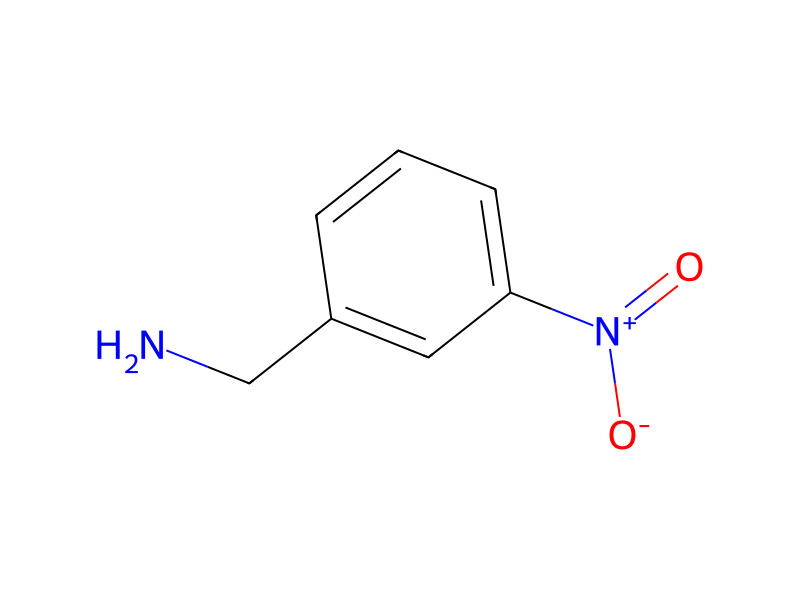
p-Toluenesulfonic acid → 5-Methyl-1-(3-nitrobenzyl)-2-phenyl-1h-pyrrole-3-carboxylic acid ethyl ester
HRID 413914
Reaktionsgleichung

Cl.[N+:2]([C:5]1[CH:6]=[C:7]([CH:10]=[CH:11][CH:12]=1)[CH2:8][NH2:9])([O-:4])=[O:3].C(=O)(O)[O-].[Na+].[N+](C1C=C(C=CC=1)CN)([O-])=O.[CH2:29]([O:31][C:32](=[O:46])[CH:33]([C:38](=O)[C:39]1[CH:44]=[CH:43][CH:42]=[CH:41][CH:40]=1)[CH2:34][C:35](=O)[CH3:36])[CH3:30].CC1C=CC(S(O)(=O)=O)=CC=1>C(O)C>[CH2:29]([O:31][C:32]([C:33]1[CH:34]=[C:35]([CH3:36])[N:9]([CH2:8][C:7]2[CH:10]=[CH:11][CH:12]=[C:5]([N+:2]([O-:4])=[O:3])[CH:6]=2)[C:38]=1[C:39]1[CH:40]=[CH:41][CH:42]=[CH:43][CH:44]=1)=[O:46])[CH3:30]