Benzaldehyde → Benzyl Alcohol
HRID 425267
Reaktionsgleichung

B.[CH:2](=[O:9])[C:3]1[CH:8]=[CH:7][CH:6]=[CH:5][CH:4]=1.C(C1C=CC=CC=1)(=[O:12])C.B.[CH2:20]([C:22]1[CH:23]=[CH:24][C:25]([CH3:28])=N[CH:27]=1)[CH3:21]>>[CH2:2]([OH:9])[C:3]1[CH:8]=[CH:7][CH:6]=[CH:5][CH:4]=1.[CH2:21]([OH:12])[CH2:20][C:22]1[CH:23]=[CH:24][CH:25]=[CH:28][CH:27]=1Komponenten
6



Versuchsvorschrift
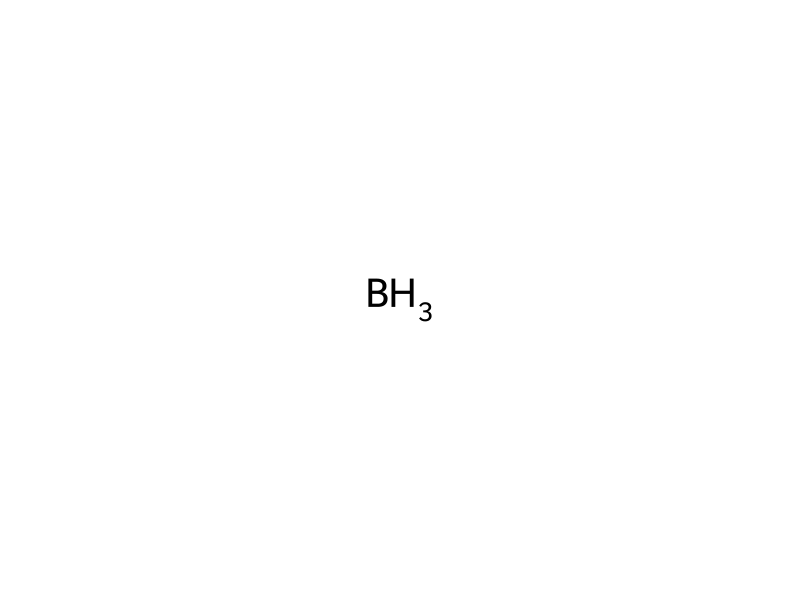
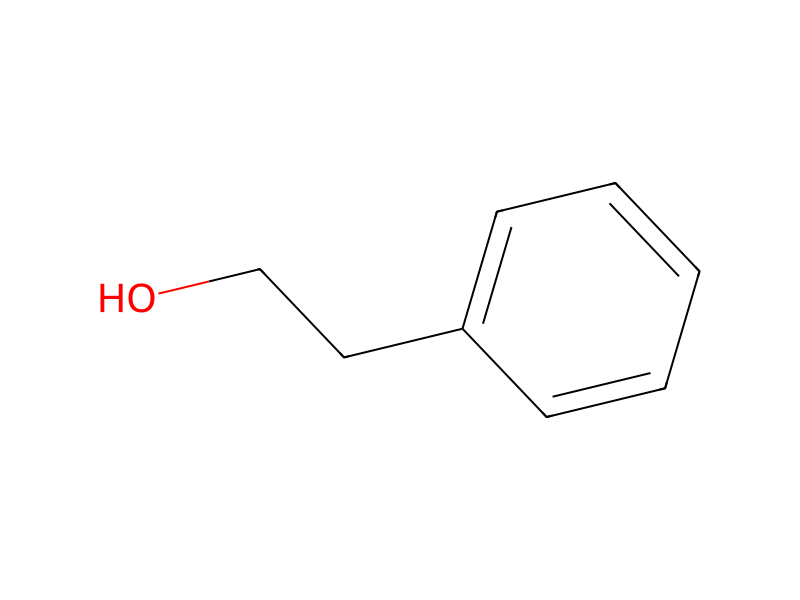
The chemoselectivity of the new borane complexes with substituted pyridines (1) in reduction reactions was investigated in a competitive reactivity study by reacting equimolar amounts of benzaldehyde and acetophenone with 5-ethyl-2-methylpyridine borane (1 equivalent of borane hydride relative to 1 equivalent of benzaldehyde, see example 10). The reaction was immediate and exothermic taking the reaction temperature to 70° C. The benzaldehyde was reduced much faster than the ketone, resulting in a 91:9 ratio of benzyl alcohol to phenethylalcohol. Of the combined carbonyl substrates, 37% was reduced and 63% remained unreduced (50% expected), which indicated that two of the three available hydride atoms were available for the reduction under these conditions. It is common that carbonyl reductions with borane frequently stop when two of the three borane hydride atoms have reacted, owing to the poor reactivity of the dialkoxyborane [(RO)2BH] species formed.