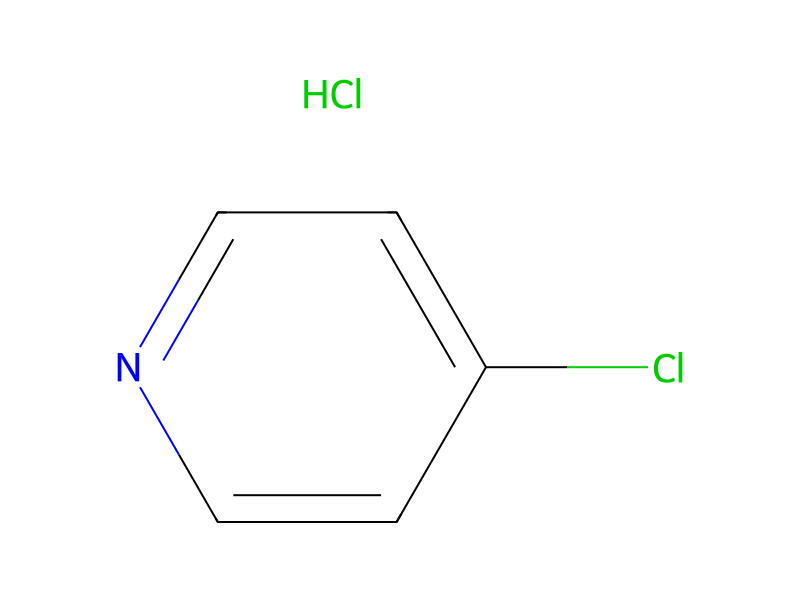
Cl.Cl[C:3]1[CH:8]=[CH:7][N:6]=[CH:5][CH:4]=1.[C:9]([C:12]1[CH:17]=[CH:16][C:15](B(O)O)=[CH:14][CH:13]=1)([OH:11])=[O:10].C(=O)([O-])[O-].[Na+:25].[Na+].C(O)C>C1(C)C=CC=CC=1.CO.[Pd](Cl)Cl.C1(P(C2C=CC=CC=2)CCCCP(C2C=CC=CC=2)C2C=CC=CC=2)C=CC=CC=1>[N:6]1[CH:7]=[CH:8][C:3]([C:15]2[CH:16]=[CH:17][C:12]([C:9]([O-:11])=[O:10])=[CH:13][CH:14]=2)=[CH:4][CH:5]=1.[Na+:25]A solution of 4-chloropyridine hydrochloride (3.00 g, 20.0 mmol), 4-carboxybenzeneboronic acid (4.97 g, 30.0 mmol), 1 M aqueous sodium carbonate solution (50 mL), 1,4-bis(diphenylphosphino)butane palladium(II) dichloride (300 mg, 0.70 nmol), and ethanol (10 mL) in toluene (40 mL) was heated at reflux for 16 h. The mixture was diluted with methanol and filtered through diatomaceous earth. The filtrate was concentrated in vacuo and the pH was adjusted to 14 by the addition of 1 N aqueous sodium hydroxide. After heating the filtrate to boiling, the insoluble material was removed by filtration, and the resulting filtrate was allowed to cool to room temperature. The resulting precipitate was collected by filtration to yield 1.83 g (41%) of the title compound.