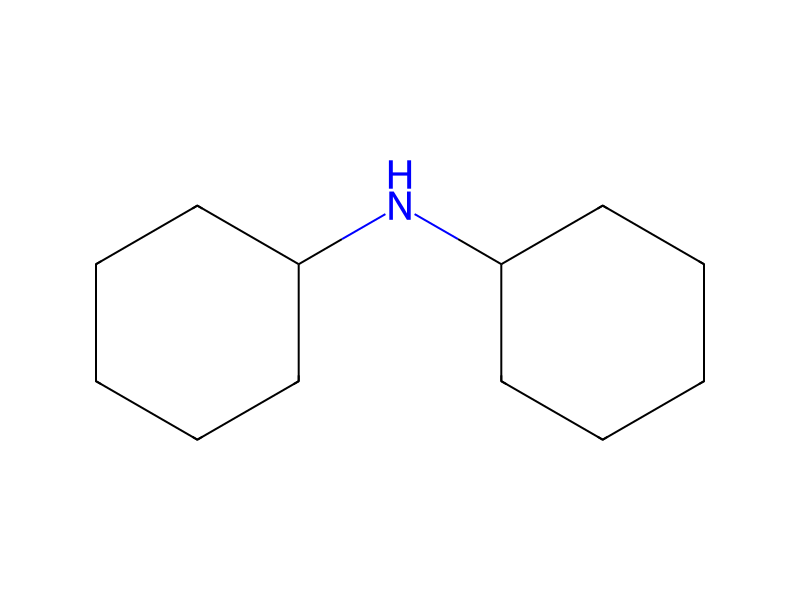
Dicyclohexylamine → 4-[3-(5,6,7,8-Tetrahydro-5,5,8,8-tetramethyl-2-naphthyl)-1-propynyl]benzoyl chloride
HRID 428225
Reaktionsgleichung

[CH3:1][C:2]1([CH3:26])[CH2:11][CH2:10][C:9]([CH3:13])([CH3:12])[C:8]2[CH:7]=[C:6]([CH2:14][C:15]#[C:16][C:17]3[CH:25]=[CH:24][C:20]([C:21](O)=[O:22])=[CH:19][CH:18]=3)[CH:5]=[CH:4][C:3]1=2.C1(NC2CCCCC2)CCCCC1.S(Cl)([Cl:42])=O>ClCCl>[CH3:1][C:2]1([CH3:26])[CH2:11][CH2:10][C:9]([CH3:13])([CH3:12])[C:8]2[CH:7]=[C:6]([CH2:14][C:15]#[C:16][C:17]3[CH:25]=[CH:24][C:20]([C:21]([Cl:42])=[O:22])=[CH:19][CH:18]=3)[CH:5]=[CH:4][C:3]1=2Komponenten
5