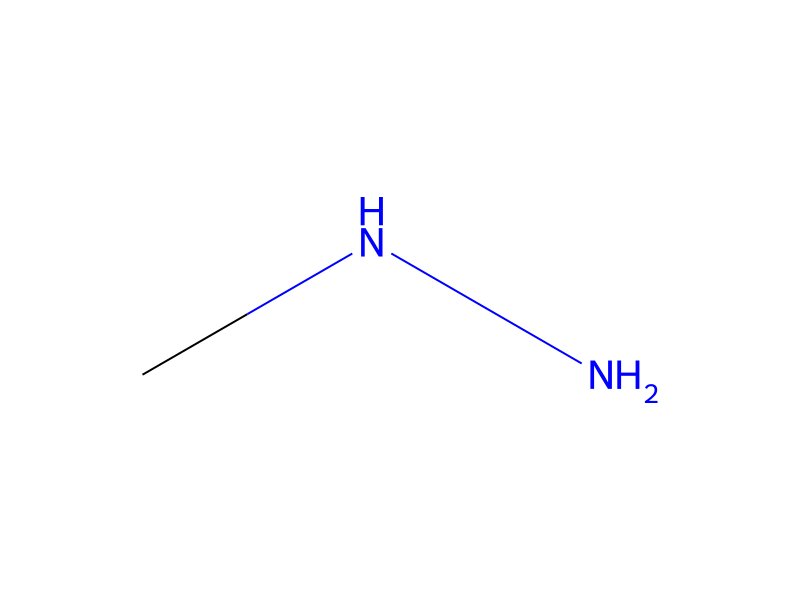
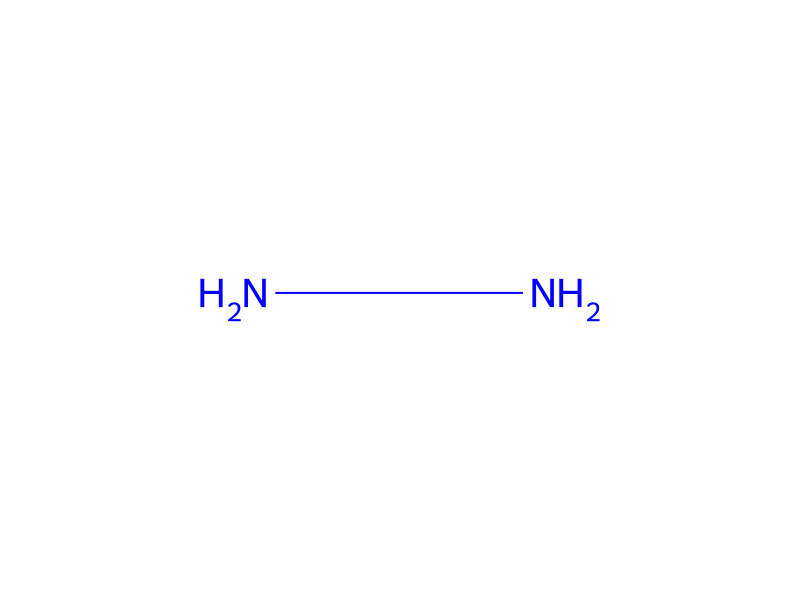
[CH3:1][NH:2][NH2:3].[CH:4]1([C:10]2[S:14][C:13]([N:15]=[C:16]=[O:17])=[N:12][N:11]=2)[CH2:9][CH2:8][CH2:7][CH2:6][CH2:5]1.NN>C(Cl)Cl>[CH3:1][N:2]([C:16]([NH:15][C:13]1[S:14][C:10]([CH:4]2[CH2:5][CH2:6][CH2:7][CH2:8][CH2:9]2)=[N:11][N:12]=1)=[O:17])[NH2:3]A solution of methylhydrazine (0.3 mole) in methylene chloride (150 ml) is charged into a glass reaction vessel equipped with a mechanical stirrer, thermometer and reflux condenser. 5-cyclohexyl-1,3,4-thiadiazol-2-yl isocyanate dimer (0.1 mole) is then added, with stirring, at room temperature. After the addition is completed the reaction mixture is heated at reflux for a period of about 4 hours. After this time the reaction mixture is stripped of solvent and excess hydrazine to yield the desired product 2-methyl-4-(5-cyclohexyl-1,3,4-thiadiazol-2-yl)semicarbazide as the residue.