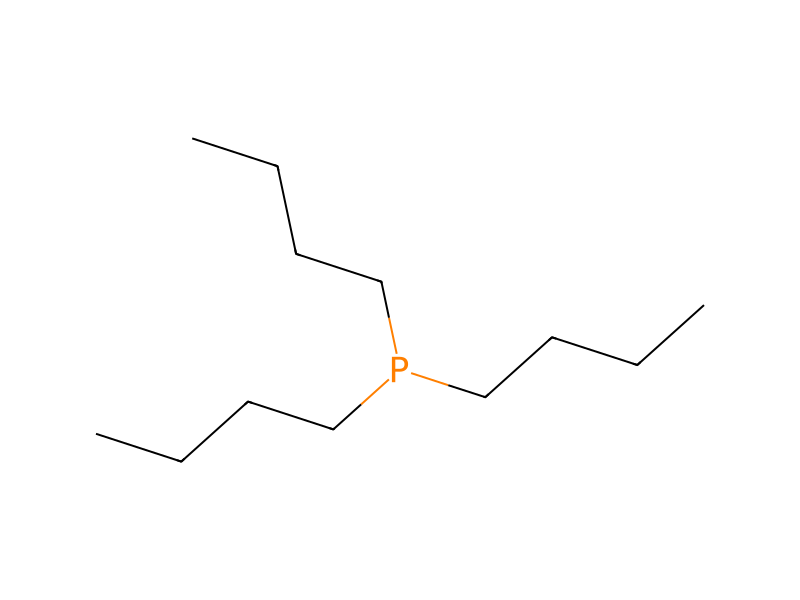
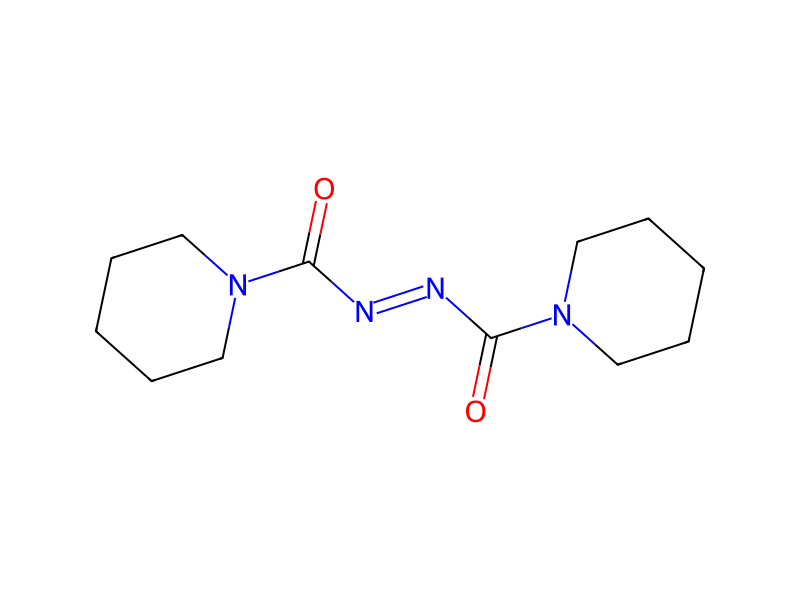
[C:1]([C:3]1[CH:8]=[CH:7][CH:6]=[CH:5][C:4]=1[S:9]([O:12][C:13]1[CH:14]=[C:15]([OH:20])[CH:16]=[C:17]([CH3:19])[CH:18]=1)(=[O:11])=[O:10])#[N:2].[CH2:21](P(CCCC)CCCC)CCC.[OH:34][CH2:35][C:36]1(CO)[CH2:38][CH2:37]1.N(C(N1CCCCC1)=O)=NC(N1CCCCC1)=O>O1CCCC1.CCCCCC>[C:1]([C:3]1[CH:8]=[CH:7][CH:6]=[CH:5][C:4]=1[S:9]([O:12][C:13]1[CH:14]=[C:15]([CH:16]=[C:17]([CH3:19])[CH:18]=1)[O:20][CH2:21][CH:35]([CH:36]1[CH2:38][CH2:37]1)[OH:34])(=[O:11])=[O:10])#[N:2]To a solution of 3-(2-cyanophenylsulfonyloxy)-5-methylphenol (1.45 g, 5.0 mmol), as prepared in the step a of example 13), tri-n-butylphosphine (1.62 g, 8.0 mmol) and 1,1-dihydroxymethylcyclopropane (1.52 g, 15 mmol), as prepared in U.S. Pat. No. 5,472,964, in anhydrous tetrahydrofuran (50 mL) was added 1,1'-(azodicarbonyl)dipiperidine (2.02, 8.0 mmol). The mixture was stirred at ambient temperature overnight. Hexane (80 mL) was added to the mixture, and the precipitates were removed by filtration. The filtrate was evaporated in vacuo, and the residue was purified by flash column chromatography (10% ethyl acetate in dichloromethane) to give the title compound as a white solid (1.15, 62%). 1H-NMR (300 MHz, CDCl3) δ 8.09 (m, 1H), 7.93 (m, 1H), 7.80 (m, 2H), 6.66 (s, 1H), 6.60 (s, 1H), 6.56 (s, 1H), 3.86 (s, 2H), 3.60 (s, 2H), 2.26 (s, 3H), 1.85 (br s, 1H), 0.62 (s, 4H).