Reaktionsgleichung

[Br-].[CH3:2][O:3][C:4]([C:6]1[CH:7]=[C:8]([CH:29]=[CH:30][CH:31]=1)[CH2:9][P+](C1C=CC=CC=1)(C1C=CC=CC=1)C1C=CC=CC=1)=[O:5].[O-][CH2:33][CH3:34].[Na+].[CH:36](=O)C>C(O)C>[CH:9]([C:8]1[CH:7]=[C:6]([CH:31]=[CH:30][CH:29]=1)[C:4]([O:3][CH2:2][CH3:36])=[O:5])=[CH:33][CH3:34]Komponenten
Edukt 3
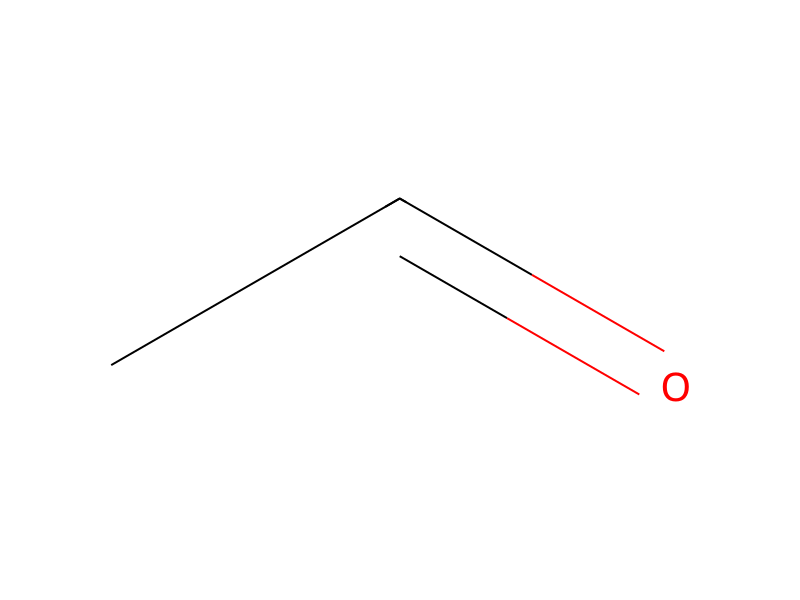


Produkt 1

Reagenzien, Katalysatoren, Lösungsmittel 1

Versuchsvorschrift
The preparation of XIII begins with the known methyl 3-(bromomethyl)benzoate. This halide is heated in xylene solution with triphenylphosphine to yield (3-methoxycarbonylbenzyl)triphenylphosphonium bromide. The phosphonium salt is converted to the ylide with sodium ethoxide in ethanol and the ylide caused to react with acetaldehyde to yield ethyl 3-(1-propenyl)benzoate. [Note that the ethyl ester has been obtained as a result of transesterification with solvent ethanol.] The ester is heated with N-bromosuccinimide in carbon tetrachloride for an extended period to yield ethyl 3-(3-bromo-1-propenyl)benzoate. This compound is treated with the anion derived from methyl methylthiomethyl sulfoxide as described in previous examples. The resulting dimethyl mercaptal S-oxide is hydrolyzed with acid catalysis to the aldehyde reagent XIII.
Quellen und Nachweise
- ORD-Eintrag
- ord-63a6c990653c49fb9aac1405afe3b12d
- Quelldatensatz
- uspto-grants-1981_04
- Patentnummer
- US04260771
Verknüpfte Notizen
Wird geladen…