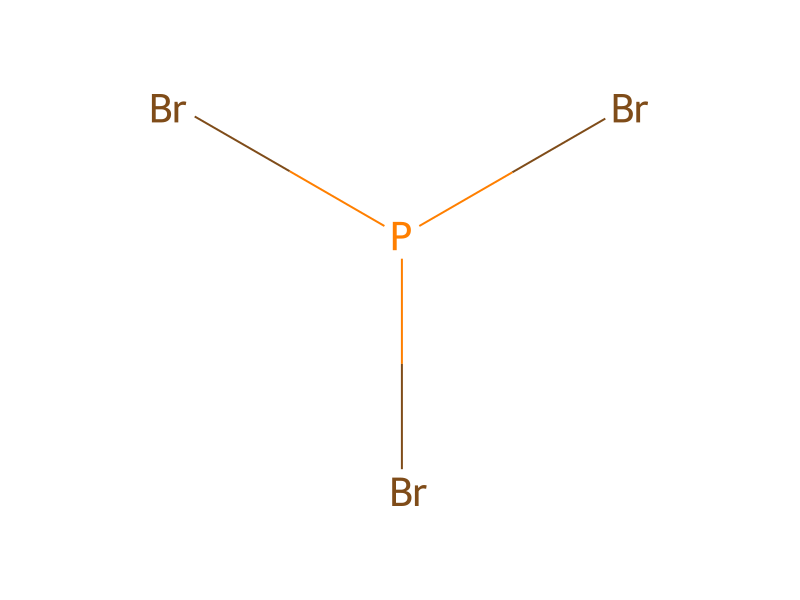
To a solution of (1-(2-bromoethyl)-3-nitro-1H-pyrazol-5-yl)methanol (4.24 g, 17.0 mmol) in chloroform (100 mL) was cooled to 0° C. was added phosphorus tribromide (4.59 g, 1.6 ml, 17.0 mmol) drop wise via syringe. The resulting solution was warmed to room temperature and stirred for 2 h. The resulting solution was cooled to 0° C. and diluted with dichloromethane (50 ml). The resulting solution was made basic (pH 8.5) with saturated aqueous sodium bicarbonate was (20 mL). The layers were separated, and the aqueous layer was extracted with dichloromethane (3×50 mL). The combined organic layers were washed with brine (30 mL), dried over magnesium sulfate. The resulting mixture was filtered and concentrated in vacuo and the residue purified by flash chromatography (silica gel, SF40-240 g, 15% to 40% ethyl acetate in hexanes) to give 1-(2-bromoethyl)-5-(bromomethyl)-3-nitro-1H-pyrazole (3.56 g, 67%) as a white solid.