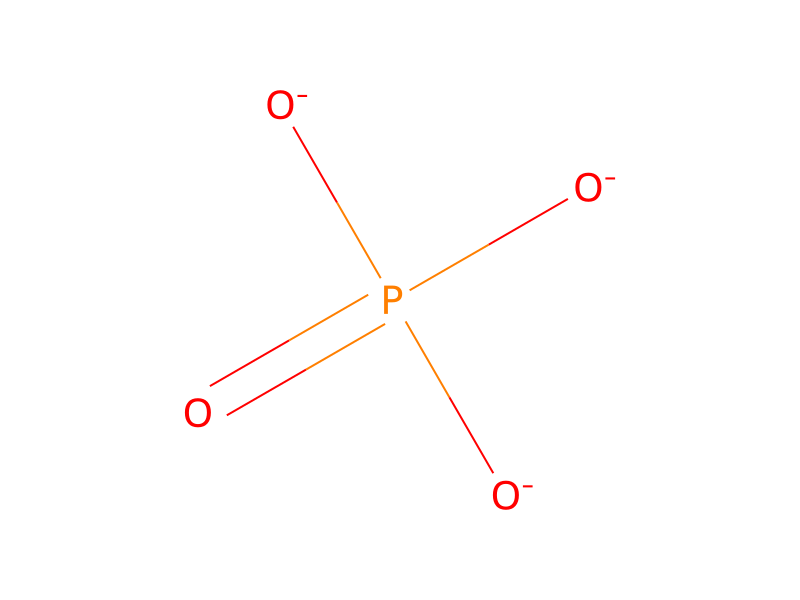
Methyl 2-(2,3,4-trifluoroanilino)propionate (2.0 g) was suspended in a 0.1 M phosphate buffer solution (pH 6.5; 400 ml). After adding Protease N (manufactured by Amano Seiyaku, originating in a bacterium belonging to the genus Bacillus; 0.4 g), the mixture was gently stirred. The mixture was further stirred for 14 hours while maintaining at 30° C. After adding methylene chloride, the liquid reaction mixture was filtered through celite to eliminate denatured protein and then separated. The organic layer was washed with a 5% aqueous solution of sodium hydrogencarbonate and a saturated aqueous solution of sodium chloride and then dried over anhydrous magnesium sulfate. Next, the solvent was evaporated under reduced pressure to thereby give methyl (2R)-2-(2,3,4-trifluoroanilino)propionate (0.94 g). The optical purity of this product was 98% ee. On the other hand, the all aqueous layers obtained by the separation were combined and adjusted to pH 2 with 10% hydrochloric acid followed by extraction with IPE. The organic layer was dried over anhydrous magnesium sulfate and evaporated. Thus, the title compound was obtained as a crude product (0.96 g). The optical purity of this product was 96% ee. Further, the crude product was recrystallized from a solvent mixture of isopropyl ether with hexane. Thus, the title compound of 100% ee was obtained. The 1H-NMR and IR spectral data of this product was identical with those of the compound obtained in Example 28.