Reaktionsgleichung

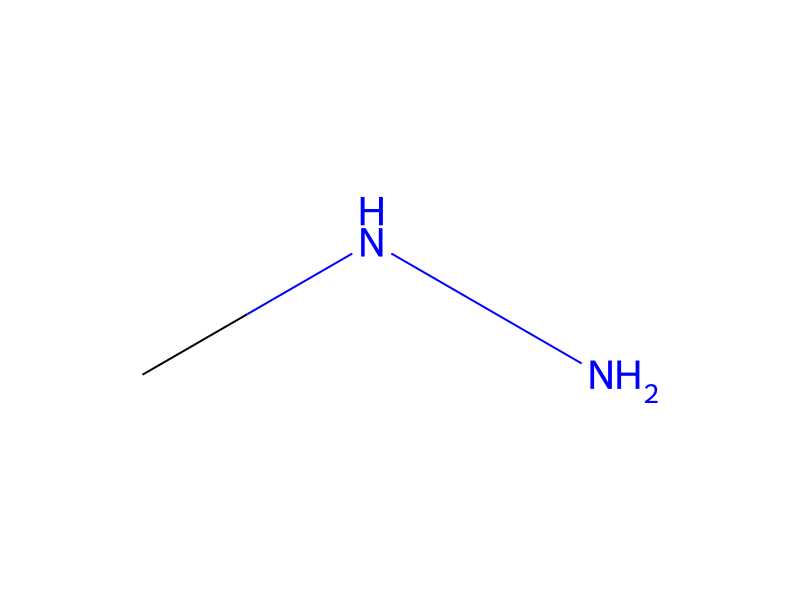
C(C1C=CC=CC=1CCC)CC.[Br:13][C:14]1[CH:19]=[CH:18][C:17]([CH2:20][CH2:21][CH3:22])=[C:16]([CH2:23][CH2:24][CH3:25])[CH:15]=1.CNN.[CH2:29]([NH:32]N)[CH2:30][CH3:31].C1(NN)CC1>>[Br:13][C:14]1[CH:19]=[CH:18][C:17]2[C:16](=[C:23]([CH2:24][CH3:25])[N:32]([CH2:29][CH2:30][CH3:31])[C:20]=2[CH2:21][CH3:22])[CH:15]=1Komponenten
6


Versuchsvorschrift
Following the procedure of Example 3, Step A, except that the o-dipropylbenzene of Example 3 is replaced by an equivalent amount of: 4-chloro-; 4-iodo-; and 4-bromo-1,2-dipropylbenzene and the methylhydrazine is replaced by an equivalent amount of propylhydrazine; cyclopropylhydrazine; and γ-THP-oxy-propylhydrazine, there is obtained 5-chloro, 5-iodo, and 5-bromo-2-propyl-1,3-diethylisoindole; 5-chloro-; 5-iodo-; and 5-bromo-2-cyclopropyl-1,3-diethylisoindole; and 5-chloro-; 5-iodo-; and 5-bromo-2-γ-THP-oxy-propyl-1,3-diethylisoindole, respectively; wherein THP represents tetrahydropyranyloxy.
Quellen und Nachweise
- ORD-Eintrag
- ord-877e129cfda0459e98ea2a4495e18143
- Quelldatensatz
- uspto-grants-1977_12
- Patentnummer
- US04064139
Verknüpfte Notizen
Wird geladen…