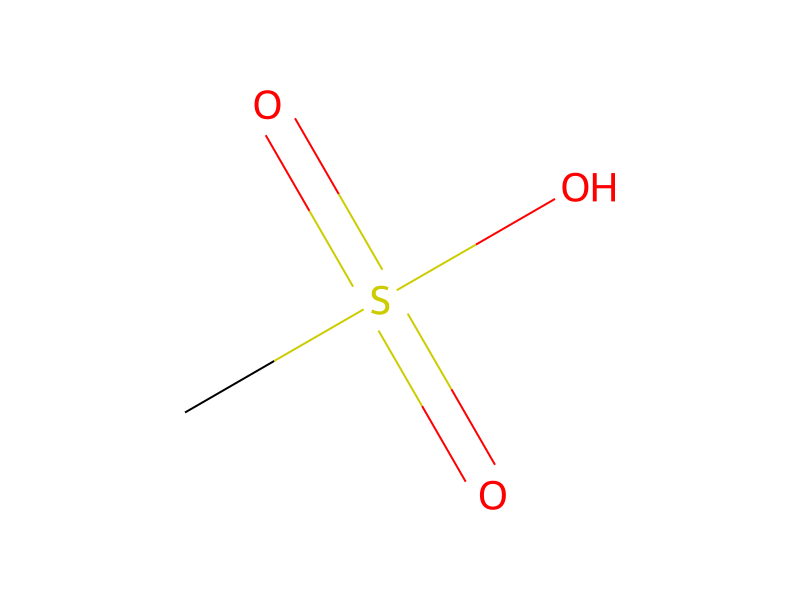
To a vessel equipped with agitation means, thermometer and a reflux condenser is added 6.40 g of N-isopropyl, N-(m-tolyl) urea, 22.21 g of m-methoxy benzaldehyde, and 255 ml of toluene. The temperature of the mixture is slowly raised (about 25 min.) to 110° C to start refluxing. After refluxing for 5 min. the temperature is lowered to 100° C and 0.12 g (0.082 ml) of methanesulphonic acid is added. The temperature is again increased to 110° C and refluxing maintained for 3 hours. The reaction mixture is then allowed to cool to room temperature, washed 4 times with dilute sulfuric acid (20% w/v) resulting in the formation of a brown-orange gummy material (undesirable material). The organic phase is then washed 4 times with 25 ml portion of water (pH of last wash 5), then dried over anh. sodium sulfate and evaporated (steam distilled) to obtain a residue. The residue is taken up in benzene, and chromatographed on a silica column; starting with benzene then increasing proportions of chloroform (20%, 50%, then 100% chloroform). The samples obtained from 100% chloroform are combined, evaporated to dryness, then crystallized from chloroform to obtain 3,4-dihydro-1-isopropyl-4-(3-methoxyphenyl)-7-methyl-2(1H)-quinazolinone, mp 167°-169°.