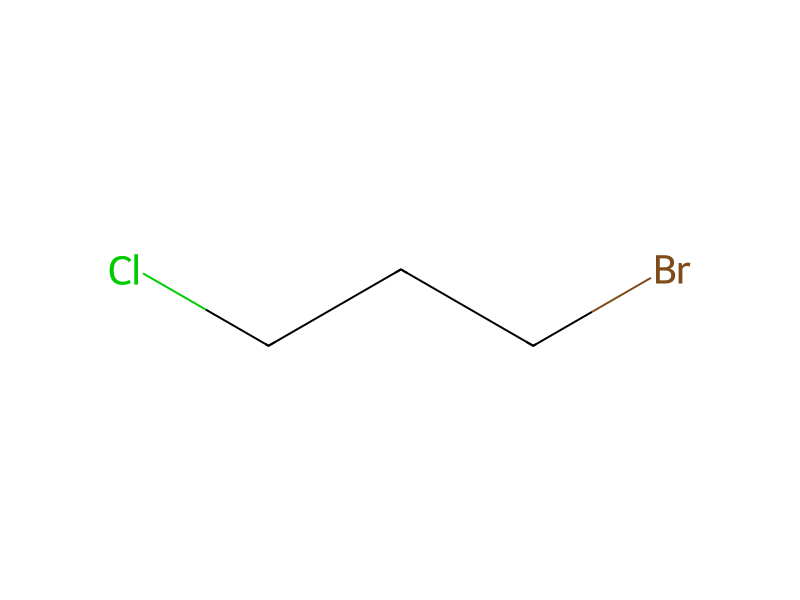
A solution of 2,4-dihydro-1H-[1,2,4]triazolo[3,4-c][1,4]benzoxazin-1-one, from step 3 above (14.0 g., 0.074 mole), in 500 ml. of N,N-dimethylformamide (DMF) under a nitrogen atmosphere was treated with 3.91 g. (0.081 mole) of a 50% mineral oil suspension of sodium hydride and warmed on a steam bath for 0.5 hour. The resulting mixture was cooled in an ice bath, treated dropwise with 8.68 ml. (0.081 mole) of 1-bromo-3-chloropropane, and the resulting mixture was stirred 18 hours at room temperature to insure complete reaction and then concentrated in vacuo. The residue was mixed with cold water, extracted with methylene chloride, washed with dilute sodium chloride brine solution, dried over sodium sulfate and concentrated. The residue was chromatographed on 1000 g. of silica gel using 25% ethyl acetate in Skellysolve®B hexane (25:75, v/v) mixture. The product thus obtained was crystallized from ethyl acetate/Skellysolve®B hexanes, as described above to give in two crops 12.09 g., m.p. 77°-78° C., and 3.05 g., m.p. 76°-78° C., of the above subtitled intermediate product. The analytical sample had a melting point of 77.5°-78.5° C.