3-Methoxycarbonylmethyl-2-t-butoxycarbonyl-2-(2-pentynyl)-cyclopentanol → 2-Tert-butoxycarbonyl-3-methoxycarbonylmethyl-2-(cis-2-pentenyl)-cyclopentanol
HRID 46553
Reaktionsgleichung

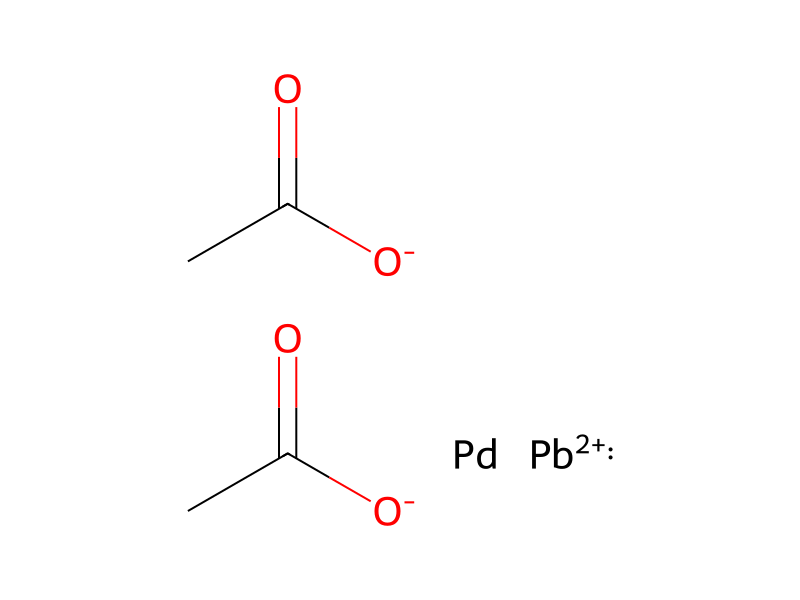
[CH3:1][O:2][C:3]([CH2:5][CH:6]1[CH2:10][CH2:9][CH:8]([OH:11])[C:7]1([C:17]([O:19][C:20]([CH3:23])([CH3:22])[CH3:21])=[O:18])[CH2:12][C:13]#[C:14][CH2:15][CH3:16])=[O:4].[H][H]>[Pd].CC([O-])=O.CC([O-])=O.[Pb+2].CCCCCC.CC(C)=O>[C:20]([O:19][C:17]([C:7]1([CH2:12]/[CH:13]=[CH:14]\[CH2:15][CH3:16])[CH:6]([CH2:5][C:3]([O:2][CH3:1])=[O:4])[CH2:10][CH2:9][CH:8]1[OH:11])=[O:18])([CH3:21])([CH3:23])[CH3:22]Komponenten
6